Take a breath in. Hold it. Now let it out slowly. That simple act — controlled, deliberate breathing — has been studied by physiologists, pulmonologists, and athletes for over a century. And the science is unambiguous: the way you breathe shapes the health of your lungs, the efficiency of your cardiovascular system, and even the balance of your nervous system.
For people living with asthma, chronic obstructive pulmonary disease (COPD), post-COVID respiratory symptoms, or even just reduced fitness, targeted breathing exercises are among the most evidence-based, accessible, and cost-free interventions available. And for healthy individuals, they are one of the most effective ways to preserve and expand lung function over time.
This guide covers seven of the most clinically validated breathing techniques — what they do, who they’re best suited for, and exactly how to practise them.
Why Breathing Exercises Work: The Physiology
Before diving into the techniques, it helps to understand what you’re actually training. Your lungs don’t have muscles of their own — breathing is driven by the diaphragm (a dome-shaped muscle beneath your lungs) and the intercostal muscles between your ribs. Most people, due to stress, sedentary lifestyles, and poor posture, breathe using only the upper portion of their lungs — a shallow pattern that underutilises up to 70% of available lung volume.
Breathing exercises retrain these muscles for deeper, more efficient ventilation. The clinical benefits are well documented:
Clinical evidence at a glance
- Diaphragmatic breathing reduces the respiratory rate and increases tidal volume, improving oxygen efficiency by up to 20% in trained individuals.
- Pursed-lip breathing has been shown to reduce dyspnoea (breathlessness) in COPD patients by 30–40% during moderate exertion, according to Cochrane reviews.
- Regular breathing exercise programmes are associated with measurable improvements in FEV1 (forced expiratory volume) in asthma patients.
- Breathing exercises activate the parasympathetic nervous system, reducing cortisol levels and lowering resting heart rate — benefits that extend well beyond the lungs.
Whether you’re managing a chronic condition or simply want to perform better — physically, mentally, and cognitively — the case for building a breathing practice is strong. Here are the seven techniques most consistently supported by clinical research.
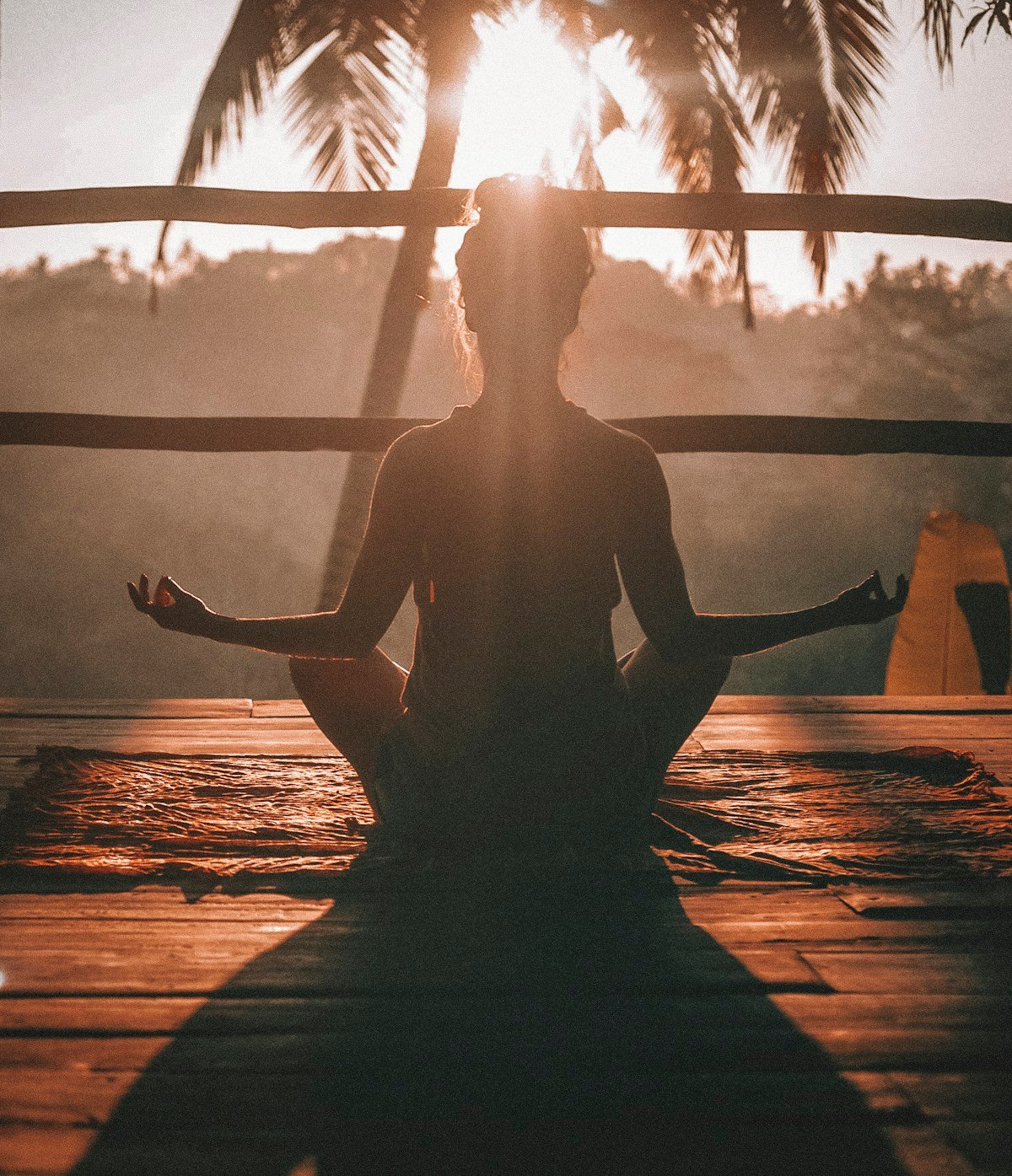
Diaphragmatic breathing is the foundation of virtually every other breathing technique. Photo: Unsplash
The 7 Best Breathing Exercises for Lung Health
1
Diaphragmatic Breathing (Belly Breathing)
Best for: Everyone — the foundation of all other techniques. Particularly valuable for anxiety, stress, and shallow-breathing habits.
This is the most fundamental breathing technique and the one that underlies virtually all others. Most adults breathe primarily using their chest muscles; diaphragmatic breathing retrains you to use the diaphragm — the most efficient breathing muscle — as the primary driver of each breath.
How to practise:
- Lie on your back or sit comfortably in a chair. Place one hand on your chest and one on your belly.
- Breathe in slowly through your nose for 4 counts. Your belly should rise — your chest should remain relatively still.
- Exhale slowly through pursed lips for 6–8 counts, feeling your belly fall.
- Repeat for 5–10 minutes. Practise daily, ideally morning and evening.
2
Pursed-Lip Breathing
Best for: COPD, emphysema, and exercise-induced breathlessness. One of the most prescribed techniques in pulmonary rehabilitation.
Pursed-lip breathing slows the breathing rate, keeps the airways open longer on exhalation (preventing small airway collapse — a key problem in COPD), and improves the exchange of oxygen and carbon dioxide. It is the single most widely recommended technique for COPD management and can provide immediate relief during a breathlessness episode.
How to practise:
- Relax your neck and shoulders. Inhale slowly through your nose for 2 counts.
- Pucker your lips as if about to whistle or blow out a candle.
- Exhale slowly and gently through pursed lips for 4 counts — twice as long as your inhale.
- Use this during any activity that causes breathlessness — climbing stairs, carrying shopping, or during exercise.
3
Box Breathing (4-4-4-4)
Best for: Stress management, anxiety, performance under pressure. Used by athletes, surgeons, and military personnel worldwide.
Box breathing — also called square breathing — uses equal intervals of inhale, hold, exhale, and hold to create a steady, regulated breathing rhythm. It is particularly effective at activating the parasympathetic nervous system (the “rest and digest” state), lowering cortisol, and improving focus. Research published in 2024 found that just five minutes of box breathing before a stressful task significantly reduced subjective anxiety and objective physiological markers of stress.
How to practise:
- Sit upright. Exhale fully to start.
- Inhale through your nose for 4 counts.
- Hold your breath for 4 counts.
- Exhale through your mouth for 4 counts.
- Hold empty for 4 counts. Repeat 4–6 cycles. Build up to 5 minutes daily.
“The breath is the only autonomic function we can consciously control — and that makes it a uniquely powerful lever for both physical and mental health.”
European Respiratory Journal, 2025
4
4-7-8 Breathing
Best for: Insomnia, anxiety, and calming acute stress responses. Often described as a “natural tranquilliser.”
Developed by integrative medicine physician Dr. Andrew Weil and rooted in ancient pranayama traditions, the 4-7-8 technique extends the exhalation phase to nearly twice the inhale. The extended breath-hold builds CO₂ tolerance, and the long exhale powerfully stimulates the vagus nerve — producing a pronounced calming effect. Many people report falling asleep within minutes after practising it at bedtime.
How to practise:
- Sit or lie down. Place the tip of your tongue behind your upper front teeth.
- Exhale completely through your mouth with a whooshing sound.
- Inhale quietly through your nose for 4 counts.
- Hold your breath for 7 counts.
- Exhale completely through your mouth for 8 counts. This is one cycle. Do 4 cycles to start, building to 8 over time.
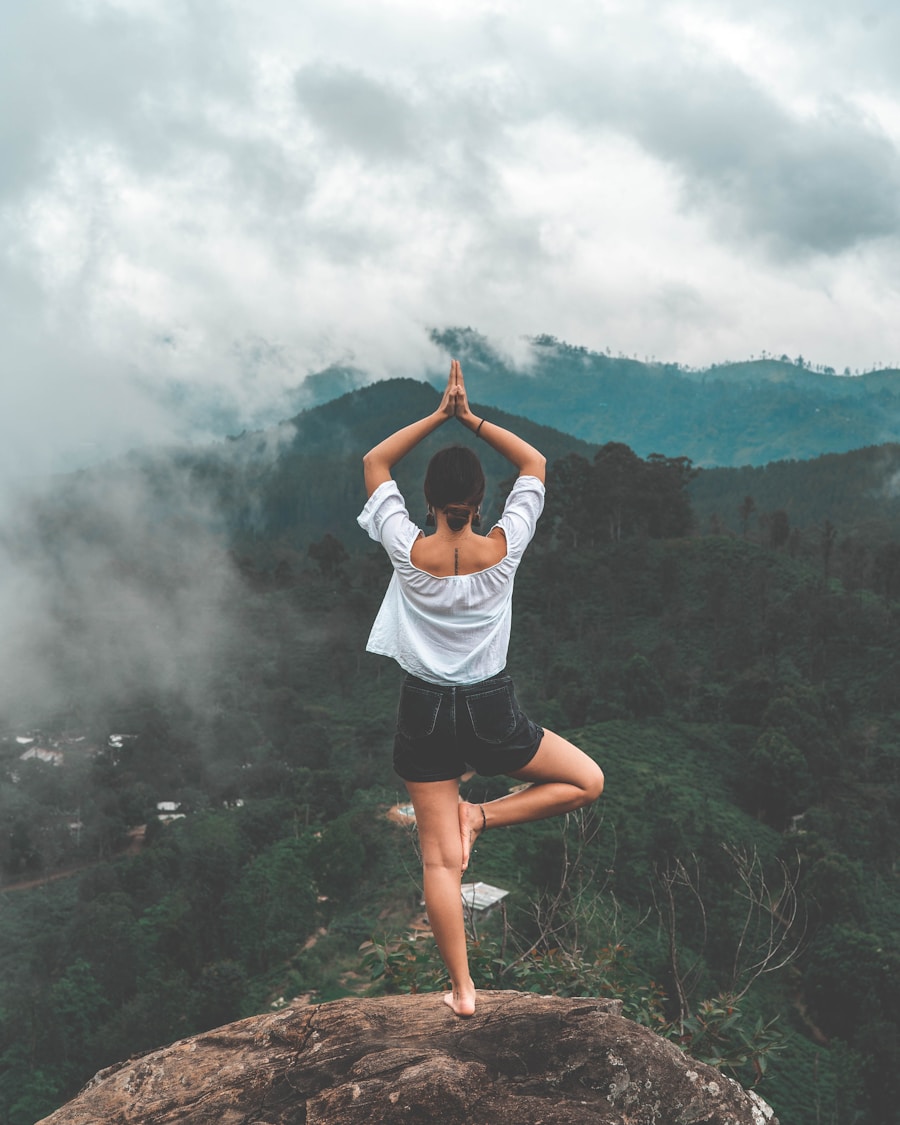
Consistent daily practice — even 10 minutes — produces measurable changes in lung function over weeks. Photo: Unsplash
5
Buteyko Breathing
Best for: Asthma, chronic hyperventilation, and nasal breathing retraining.
Developed by Ukrainian physician Konstantin Buteyko in the 1950s, this method is based on the observation that many people chronically over-breathe (hyperventilate), leading to low CO₂ levels that paradoxically impair oxygen delivery to tissues. Buteyko breathing involves nasal breathing only, reduced breathing volume, and tolerance-building breath holds. Multiple randomised controlled trials support its effectiveness in reducing asthma symptom frequency and bronchodilator use.
How to practise (Control Pause test):
- Sit quietly. Breathe normally for a minute through your nose.
- After a relaxed exhale, pinch your nose and hold your breath.
- Time how long until you feel the first distinct urge to breathe.
- This is your “control pause.” Below 20 seconds suggests over-breathing; 40+ seconds is healthy. Practise gentle nose breathing throughout the day to gradually increase your control pause score over weeks.
6
Segmental Breathing (Rib Expansion)
Best for: Post-surgery recovery, post-COVID lung rehabilitation, restricted breathing from poor posture.
Used extensively in physiotherapy and pulmonary rehabilitation, segmental breathing trains you to direct air into specific regions of the lungs — the lower lobes, lateral chest, or posterior (back) lungs — that often go underventilated. It is particularly valuable for people recovering from chest surgery or COVID-related lung damage, where certain areas of the lungs may have reduced expansion.
How to practise (lateral basal expansion):
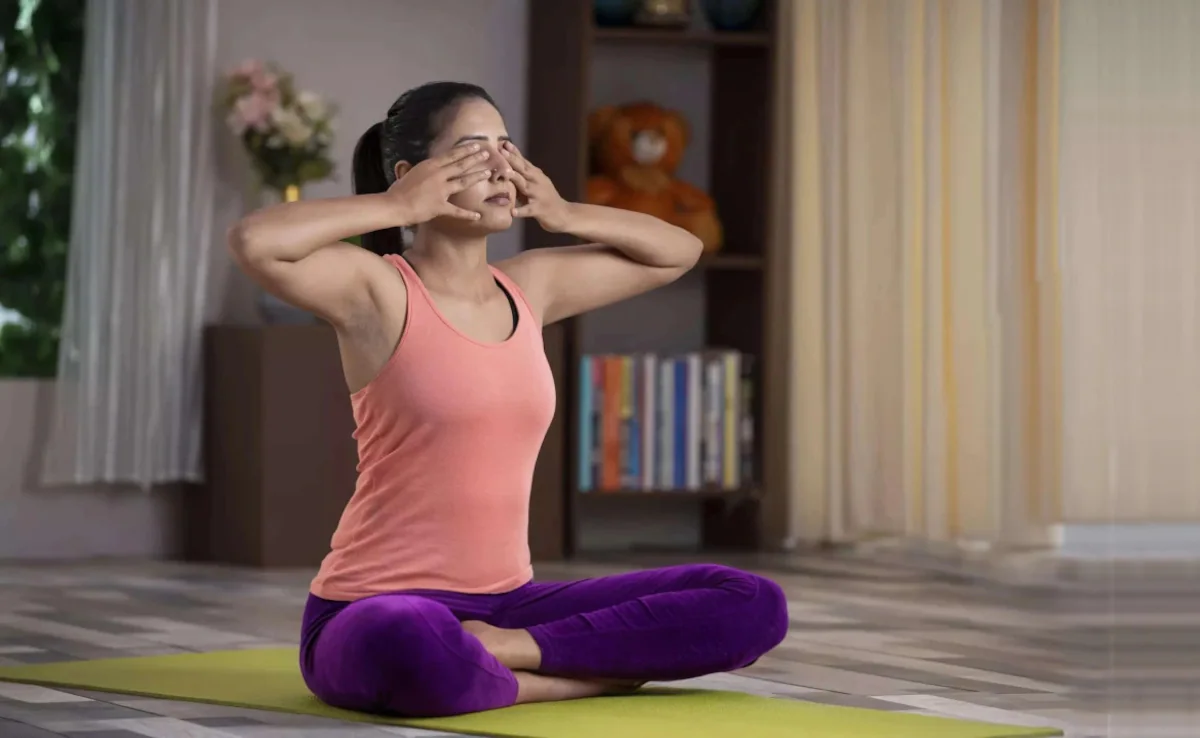
- Place your hands on the lower sides of your ribcage, fingers pointing inward.
- Apply gentle inward pressure with your palms as you exhale fully.
- Inhale deeply through your nose, directing the breath into your hands — feel your ribs push outward against your palms.
- Hold for 2–3 seconds, then exhale slowly. Repeat 5–10 times per session, 2–3 times daily.
7
Resonance Breathing (Coherent Breathing)
Best for: Heart rate variability (HRV) improvement, long-term cardiovascular and respiratory health, elite athletic performance.
Resonance breathing involves breathing at a rate of approximately 5–6 breaths per minute (roughly 5 seconds in, 5 seconds out) — a rhythm that synchronises with the body’s natural cardiovascular oscillations and maximises heart rate variability (HRV). Higher HRV is one of the strongest predictors of both cardiovascular health and resilience to stress. A 2025 meta-analysis found that regular resonance breathing practice significantly improved HRV, reduced anxiety symptoms, and improved blood pressure in healthy adults over 8 weeks.
How to practise:
- Use a metronome app or a breathing pacer set to 5.5 breaths per minute (or inhale for 5.5 seconds, exhale for 5.5 seconds).
- Breathe smoothly and evenly through your nose only.
- The exhale and inhale should be equal length, with no pause or hold.
- Practise for 20 minutes daily for best results — this is the dose used in most clinical studies. Even 10 minutes produces measurable HRV improvements.
How to Build a Breathing Practice That Sticks
Morning is the most effective time to establish a consistent breathing habit.
Knowing the techniques is only half the challenge. The other half is consistency — and that requires designing your practice to be sustainable rather than aspirational.
Start with one technique, not seven. Choose the exercise most relevant to your current health goal — pursed-lip breathing if you have COPD, box breathing if stress is your main concern, resonance breathing if you want to optimise performance. Trying to layer all seven at once leads to overwhelm and abandonment.
Attach it to an existing habit. The most reliable way to build a new practice is to link it to something you already do every morning — making coffee, sitting down at your desk, or lying in bed before rising. “After I make my coffee, I will practise five minutes of diaphragmatic breathing” is far more durable than “I will find time to breathe today.”
Track your progress. For techniques like Buteyko, measurable metrics (your control pause score) provide powerful motivation. For others, noting your resting respiratory rate or a simple sense of ease during exertion gives you feedback that the practice is working.
Be patient with the timeline. Most breathing studies show measurable physiological benefits after 4–8 weeks of consistent daily practice. If you’re managing a condition like asthma or COPD, speak with your physiotherapist or respiratory physician about integrating these exercises into a supervised programme — many hospitals and clinics now offer structured pulmonary rehabilitation that includes breathing training.
Breathing Exercises and Specific Conditions

For people with chronic respiratory conditions, supervised breathing exercise programmes produce the strongest outcomes. Photo: Unsplash
While all of the above techniques are safe for healthy individuals, people with specific conditions should pay attention to the following guidance:
Asthma
Pursed-lip breathing, diaphragmatic breathing, and Buteyko are the three best-evidenced techniques for asthma. Buteyko in particular has been shown in multiple trials to reduce reliever inhaler use and symptom frequency. Always continue prescribed medication — breathing exercises are a complement to, not a replacement for, pharmacological treatment. Avoid techniques involving forceful exhalation during an acute asthma episode.
COPD
Pursed-lip breathing and diaphragmatic breathing form the core of most pulmonary rehabilitation programmes for COPD. They help manage dynamic hyperinflation — the trapping of air in overstretched alveoli — and significantly reduce the perception of breathlessness during daily activities. COPD patients should work with a respiratory physiotherapist to develop an individualised programme.
Post-COVID (Long COVID) Respiratory Symptoms
Long COVID has introduced millions of people to breathing dysfunction — including breathlessness at rest, air hunger, and dysfunctional breathing patterns. Segmental breathing and diaphragmatic breathing are the most recommended starting points for post-COVID rehabilitation, helping to re-expand lung tissue and retrain the breathing pattern. Avoid breath-holds initially if you experience post-exertional malaise, and progress gradually under medical supervision.
Anxiety and Panic Disorder
Box breathing, 4-7-8, and resonance breathing all have strong evidence bases for managing anxiety. Panic attacks are almost always accompanied by hyperventilation, which worsens symptoms by causing CO₂ levels to drop sharply. Learning to slow and regulate the breath is one of the most direct ways to interrupt a panic cycle — and with practice, it becomes a reflexive tool rather than something you have to consciously remember under pressure.
Quick Reference: Which Technique Is Right for You?
| Technique | Best For | Daily Time |
|---|---|---|
| Diaphragmatic | Everyone — foundational | 5–10 min |
| Pursed-lip | COPD, breathlessness | As needed |
| Box (4-4-4-4) | Stress, focus, performance | 5 min |
| 4-7-8 | Sleep, anxiety, acute stress | 4–8 cycles |
| Buteyko | Asthma, hyperventilation | 10–20 min |
| Segmental | Post-surgery, Long COVID | 3× 10 reps |
| Resonance | HRV, cardiovascular health | 20 min |
Your Breath Is a Tool — Learn to Use It
You breathe approximately 20,000 times per day. Each of those breaths is an opportunity — to oxygenate your tissues more efficiently, to calm your nervous system, to protect the long-term health of your lungs. Most of those 20,000 breaths happen on autopilot. The techniques in this guide give you the ability to take conscious control of even a small fraction of them — and that fraction, practised consistently, can make a measurable difference to your health over months and years.
Start small. Pick one technique from the list above. Spend five minutes with it today. Within a week, you’ll begin to notice the difference — in your breathing mechanics, your stress response, and your energy. Within a month, you’ll have built one of the highest-return health habits that most people never think to develop.
Your lungs are extraordinarily resilient organs, capable of meaningful adaptation at any age. Breathing exercises are one of the few tools that can improve that adaptation — for free, without equipment, and without side effects.