Understanding the impact of smoking on your body is the first step toward a brighter, healthier future. Many people feel trapped by their habits, but recovery is always possible when you have the right information.
By acknowledging the reality of nicotine addiction, you can begin your journey toward lasting wellness. Taking control of your daily choices is essential for improving your quality of life and protecting your long-term respiratory health.
We are here to provide the facts you need to make informed decisions. Whether you are looking to quit or simply want to understand the risks, you have the power to change your path. Let’s explore how you can break free from smoking and reclaim your vitality today.
Key Takeaways
- Recognizing the health risks is the foundation for positive change.
- Recovery is a realistic goal for anyone willing to take the first step.
- Understanding nicotine addiction helps you manage cravings more effectively.
- Prioritizing your respiratory health leads to a better quality of life.
- Informed decisions are your best tool for achieving a smoke-free future.
Understanding the Real Impact of Smoking on Your Body
When you smoke, you are not just inhaling air; you are exposing your vital organs to thousands of harmful substances. Research indicates that there are more than 7,000 chemicals released when smoking, many of which are toxic or carcinogenic. These substances travel through your bloodstream, affecting nearly every part of your anatomy.
How Smoking Causes Cancer and Chronic Disease
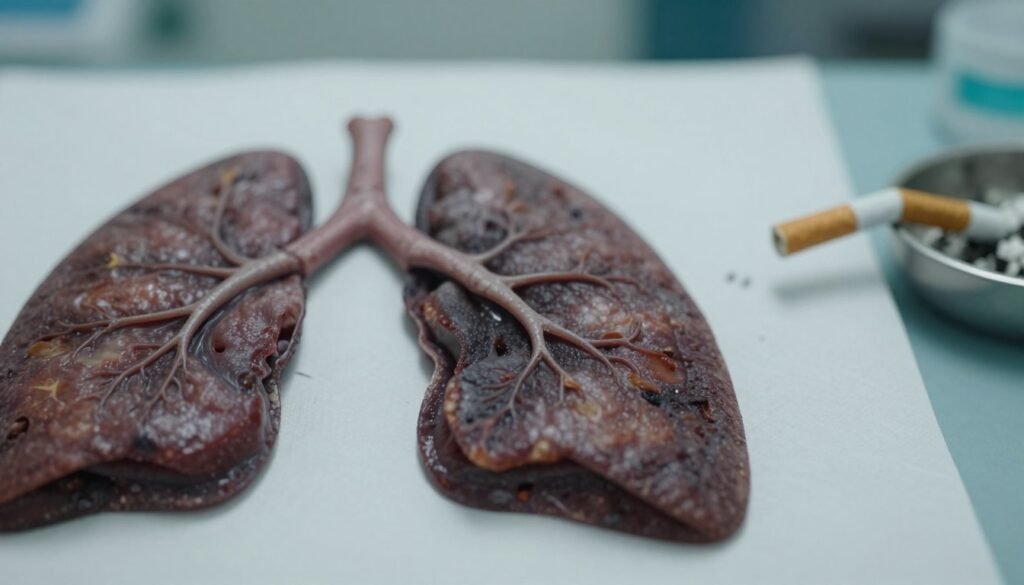
The link between smoking and lung disease is well-documented and undeniable. When these chemicals enter your system, they damage your DNA, which is the blueprint for your cells. This genetic interference is exactly how smoking causes cancer, as it prevents cells from repairing themselves correctly.
Beyond the lungs, these toxins contribute to cardiovascular issues and chronic inflammation. Over time, this systemic stress weakens your immune system, making it harder for your body to fight off infections and repair daily wear and tear.
“Tobacco use is the single greatest preventable cause of disease and premature death globally, affecting almost every organ in the human body.”
The Immediate and Long-term Effects of Smoking on Lungs
You might wonder how smoking affects lungs on a daily basis. Immediately after inhaling, the chemicals irritate the delicate lining of your airways. This causes the tiny hair-like structures, known as cilia, to stop moving, which prevents them from clearing out mucus and debris.
In the long term, the effects of smoking on lungs are devastating. Chronic inflammation leads to the destruction of air sacs, which significantly reduces your ability to breathe. This process is often irreversible, leading to conditions like emphysema and chronic bronchitis.
Recognizing Symptoms of Damaged Lungs from Smoking
Identifying the symptoms of damaged lungs from smoking early can be a life-saving step. Many smokers ignore these signs, assuming they are just a normal part of the habit. However, persistent changes in your respiratory health should never be overlooked.
Watch for these common warning signs:
- A persistent cough that does not go away after several weeks.
- Shortness of breath during simple activities like climbing stairs.
- Frequent chest infections or lingering colds.
- Wheezing or a whistling sound when you breathe.
If you notice these smoking effects on lungs, it is time to take action. Recognizing these indicators is the first step toward seeking professional help and protecting your future health.
The Science of Recovery: Can Lungs Heal After Quitting?
The human body possesses a remarkable ability to repair itself once you stop inhaling toxins. While the damage from years of tobacco use is significant, your system is designed to initiate a natural cleansing process the moment you stop. Understanding how your lungs after smoking begin to recover can be the ultimate motivation to stay smoke-free.
How Long Does It Take Lungs to Heal After Quitting Smoking?
Many people ask, how long does it take lungs to heal after quitting smoking? The answer is that the process starts almost immediately. Within just 24 hours, your carbon monoxide levels drop, and your lungs begin to clear out mucus and debris.
Over the following weeks and months, you will notice significant improvements in your breathing capacity. These quit smoking benefits lungs by reducing inflammation and allowing the tiny hair-like structures called cilia to regrow. As these cilia function better, they effectively sweep out irritants, making it easier to breathe deeply.
Can Lungs Heal After 10 Years of Smoking?
A common concern is whether the body can truly recover after a decade of heavy use. The good news is that the answer to “can lungs heal after 10 years of smoking” is a resounding yes. While some structural changes may be permanent, your lung function can improve drastically compared to continuing the habit.
Quitting at any age allows your body to halt further damage and focus on repair. You will likely experience fewer respiratory infections and a noticeable increase in stamina. Your body is incredibly resilient, and it will work hard to restore balance to your respiratory system.
Comparing Smoking vs. Healthy Lungs
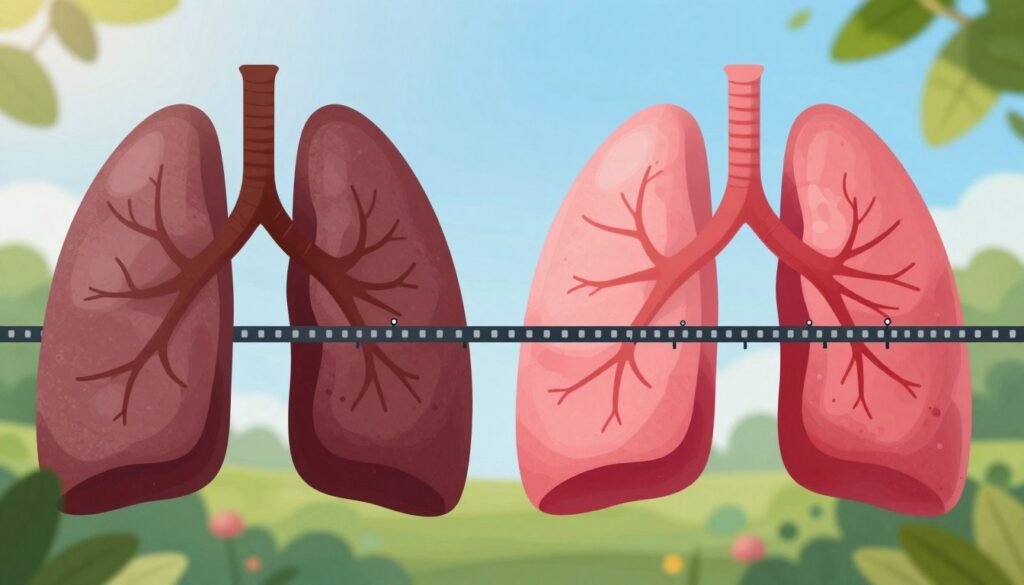
When looking at smoking vs healthy lungs, the differences are clear in both function and appearance. Healthy lungs are pink, elastic, and efficient at gas exchange. In contrast, lungs exposed to long-term smoke often show signs of discoloration and reduced elasticity.
| Feature | Healthy Lungs | Smoker’s Lungs |
|---|---|---|
| Cilia Function | Active and clear | Damaged or paralyzed |
| Airway Status | Clear and open | Inflamed and narrowed |
| Oxygen Exchange | Highly efficient | Reduced capacity |
Choosing to quit is the most effective way to bridge the gap between these two states. By stopping now, you give your lungs the best possible chance to regain their health and protect your future well-being.
Practical Steps to Clean and Repair Your Lungs
Healing your lungs after years of smoking requires patience, consistency, and the right natural approach. While your body possesses an incredible ability to regenerate, you can actively support this process through mindful lifestyle choices. By focusing on your daily habits, you can effectively manage your recovery and improve your overall well-being.
How to Clean Lungs After Smoking Naturally
Learning how to clean lungs after smoking involves creating an environment that supports your body’s natural filtration systems. Staying well-hydrated is one of the simplest ways to thin the mucus in your airways, making it easier to clear. You should also prioritize clean air by avoiding secondhand smoke and using air purifiers in your home.
Many people look for ways how to detox lungs after smoking naturally to feel more refreshed. Steam therapy is a popular method that helps open up airways and loosen trapped debris. Understanding how to repair lungs after quitting smoking also means being patient with your body as it works to remove tar from lungs naturally over time.

Best Foods to Clean Lungs for Smokers
Nutrition plays a critical role in your recovery journey. The best foods to clean lungs for smokers are those rich in antioxidants and anti-inflammatory compounds, which help combat oxidative stress. Incorporating these items into your daily diet can provide the nutrients your respiratory system needs to heal.
- Ginger: Known for its anti-inflammatory properties that help clear pollutants from the respiratory tract.
- Turmeric: Contains curcumin, which supports lung health by reducing inflammation.
- Green Tea: Packed with antioxidants that protect lung tissue from damage.
- Apples and Berries: High in vitamins that support overall lung function and repair.
Breathing Exercises for Smokers Lungs to Increase Capacity
Engaging in specific breathing exercises for smokers lungs can significantly improve your oxygen intake. These techniques help strengthen the diaphragm and clear out stale air that often lingers in the lower lobes of the lungs. Consistent practice is the key to success when learning how to increase lung capacity after smoking.
One effective method is pursed-lip breathing, which helps keep your airways open longer. Simply inhale slowly through your nose and exhale through pursed lips as if you are whistling. This small change can make a noticeable difference in how easily you breathe throughout the day.
Taking Professional Control of Your Respiratory Health
Navigating the path to cleaner lungs often requires more than just willpower alone. While personal commitment is the foundation of change, expert guidance provides the structure needed to succeed. By working with specialists, you gain access to proven strategies that make your recovery journey safer and more effective.

Why Professional Guidance Matters for Lung Detox
Quitting nicotine and detoxifying your respiratory system involves complex physical and emotional hurdles. A professional team helps you manage withdrawal symptoms while monitoring your progress with precision and care. This support system ensures that you are not facing these challenges in isolation.
Experts can tailor a recovery plan that fits your unique health history and lifestyle. They provide the necessary tools to address both the immediate physical damage and the long-term habits that affect your breathing. Professional support is truly the cornerstone of a sustainable, healthy lifestyle change.
How to Book an Appointment at Respira Swiss
Taking the first step toward better lung health is simple and accessible through our dedicated platform. We have streamlined the process to ensure you can get the help you need without unnecessary delays. You can easily schedule your consultation by visiting our official booking page.
Once you arrive at the site, follow the prompts to select a time that works best for your schedule. Our team is ready to provide the personalized attention you deserve to reach your respiratory goals. We look forward to supporting you on this important journey toward wellness.
Contact Information and Support
If you have specific questions or need further assistance before your visit, our team is always here to help. You can reach out to us directly via email at care@respiraswiss.com for any inquiries regarding our services. We are committed to providing you with the clear communication and support necessary to feel confident in your decision to prioritize your health.
Conclusion
Taking charge of your physical well-being after years of smoking represents a bold step toward a vibrant life. This journey requires patience and a clear focus on your long-term goals.
You possess the power to transform your daily habits into tools for lasting vitality. Small changes in your routine build the foundation for a stronger body and clearer breathing.
Expert guidance from specialists at Respira Swiss provides the structure needed to navigate this transition with confidence. Relying on professional support ensures you stay on the right track during every phase of your recovery.
Commit to your health today by choosing a path that prioritizes your future. Your lungs deserve the best care possible to regain their natural strength and function.
Reach out to a healthcare provider to discuss your specific needs and create a personalized plan. Every positive choice you make today brings you closer to a life free from the constraints of smoking.