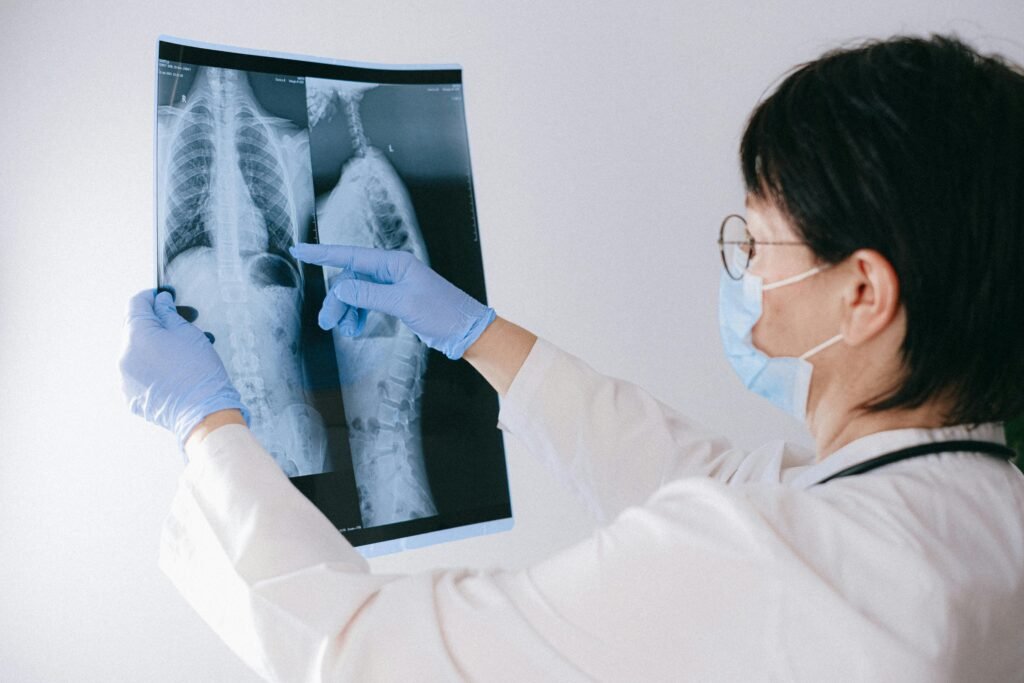
Lung diseases often develop silently.
In many cases, symptoms appear gradually and are dismissed as minor issues—fatigue, a slight cough, or occasional breathlessness. However, these early warning signs can be your body’s way of signaling something more serious.
According to the World Health Organization (WHO), chronic respiratory diseases are among the leading causes of death worldwide, and early detection plays a critical role in improving outcomes.
Understanding the early symptoms of lung disease can help you seek timely medical care and prevent complications.
What Are Lung Diseases?
Lung diseases affect the respiratory system, including the airways, lungs, and blood vessels that help you breathe.
Common lung diseases include:
- Asthma
- Chronic Obstructive Pulmonary Disease (COPD)
- Lung infections (like pneumonia and tuberculosis)
- Pulmonary fibrosis
- Lung cancer
Many of these conditions start with mild symptoms that worsen over time if left untreated.
Why Early Detection Is Important
Early diagnosis can:
- Prevent disease progression
- Improve treatment effectiveness
- Reduce hospitalization risk
- Enhance quality of life
The Ministry of Health & Family Welfare (India) emphasizes early screening and awareness as key strategies in managing respiratory diseases.
10 Early Symptoms of Lung Disease You Should Never Ignore
1. Persistent Cough
A cough that lasts longer than 2–3 weeks is one of the most common early signs.
It may indicate:
- Chronic bronchitis
- Tuberculosis
- Asthma
According to the CDC, chronic cough is often linked to underlying respiratory conditions and should not be ignored.
2. Shortness of Breath
Feeling breathless after minimal activity—like climbing stairs or walking short distances—is not normal.
Early breathlessness may signal:
- COPD
- Asthma
- Lung fibrosis
3. Wheezing
Wheezing is a high-pitched sound when breathing and often indicates narrowed airways.
It is commonly associated with:
- Asthma
- Allergic reactions
- Chronic airway inflammation
4. Chest Tightness or Pain
Mild but persistent chest discomfort can be an early indicator of lung or airway issues.
If pain worsens during breathing or coughing, it requires immediate attention.
5. Frequent Respiratory Infections
Repeated episodes of:
- Bronchitis
- Pneumonia
- Cold or flu
may indicate weakened lung immunity or underlying disease.
6. Fatigue and Low Energy
Lung diseases reduce oxygen supply to the body, leading to:
- Constant tiredness
- Reduced stamina
- Difficulty performing daily activities
7. Unexplained Weight Loss
Sudden weight loss without changes in diet or exercise may indicate serious conditions such as:
- Chronic infections
- Lung cancer
8. Persistent Mucus Production
Excess mucus (phlegm) lasting more than a month can be a sign of:
- Chronic bronchitis
- Lung infection
9. Blue Lips or Fingertips (Cyanosis)
This occurs due to low oxygen levels in the blood and is a serious warning sign.
Seek immediate medical care if you notice this symptom.
10. Difficulty Sleeping Due to Breathing Issues
Breathing problems at night, snoring, or waking up gasping for air may indicate:
- Sleep apnea
- Advanced respiratory issues
The National Institutes of Health (NIH) identifies sleep-related breathing disorders as a significant health concern.
Who Is at Higher Risk?
You should be especially cautious if you:
- Smoke or have a history of smoking
- Live in high pollution areas (common in India)
- Have occupational exposure (dust, chemicals)
- Have a family history of lung disease
The WHO highlights air pollution as a major contributor to respiratory illnesses globally.
When Should You See a Doctor?
Consult a pulmonologist if you experience:
- Symptoms lasting more than 2–3 weeks
- Worsening breathlessness
- Blood in cough
- Persistent chest pain
Diagnosis: What to Expect
A pulmonologist may recommend:
- Chest X-ray
- Pulmonary function tests
- CT scan
- Blood tests
Early testing can significantly improve outcomes.
Prevention Tips
- Avoid smoking and secondhand smoke
- Use masks in polluted environments
- Maintain good indoor air quality
- Get vaccinated (flu, pneumonia where recommended)
- Exercise regularly
The Ministry of Health & Family Welfare (India) promotes preventive healthcare as a key approach to reducing respiratory disease burden.
Why Choose RespiraSwiss?
At RespiraSwiss, we focus on:
- Early diagnosis
- Personalized treatment plans
- Online pulmonology consultations
- Continuous monitoring
Our goal is to help you breathe better and live healthier.
Frequently Asked Questions
Q1: Can early lung disease be reversed?
Some conditions can be managed effectively if detected early.
Q2: Is a mild cough always serious?
Not always, but persistent cough should be evaluated.
Q3: How often should I get lung checkups?
Annually if you are at risk (smoker, pollution exposure).
Conclusion
Your lungs are vital—and they often give warning signs before serious problems develop.
Ignoring early symptoms like cough, breathlessness, or fatigue can lead to severe complications. The key is awareness and timely action.
Book your consultation with RespiraSwiss today and take the first step toward better lung health.