
Have you ever wondered if the common advice you hear about your lungs is actually helping you breathe easier? Many people in the United States rely on outdated information that can cloud their judgment regarding respiratory wellness.
Distinguishing between common misconceptions and medical reality is essential for anyone navigating their personal wellness journey. Understanding the truth allows you to take proactive steps toward better breathing every single day.
This guide serves as a foundational resource to help you separate fiction from reality. By clearing up these Pulmonary Health Myths vs Facts, we aim to empower you with the knowledge needed to protect your airways effectively.
Key Takeaways
- Learn to identify common respiratory misconceptions.
- Discover why accurate information improves your daily breathing.
- Understand the importance of evidence-based lung care.
- Gain confidence in managing your personal respiratory journey.
- Separate medical reality from widespread internet rumors.
Understanding the Reality of Pulmonary Health Myths vs Facts
Your respiratory health deserves a foundation built on solid, scientific evidence rather than internet rumors. In the digital age, misinformation regarding Pulmonary Health Myths vs Facts spreads rapidly across social media and forums. This often leads individuals to make decisions based on anecdotal stories rather than proven medical guidance.
When patients rely on unverified claims, it can negatively impact their long-term pulmonary health outcomes. Misguided self-treatment or the avoidance of necessary medical interventions can turn manageable conditions into serious complications. It is vital to prioritize peer-reviewed research and professional medical advice over popular trends.
By choosing to rely on evidence-based medicine, you empower yourself to take control of your well-being. Understanding the reality of your condition allows you to communicate more effectively with your healthcare providers. Consider these benefits of staying informed through reliable sources:
- Improved communication with your doctor during consultations.
- Better adherence to prescribed treatment plans.
- Increased confidence in managing chronic respiratory symptoms.
- Reduced anxiety caused by conflicting online information.
Ultimately, your goal should be to advocate for your own needs with clarity and precision. When you understand the core truths of pulmonary health, you are better equipped to ask the right questions. This framework of knowledge serves as your best defense against the confusion caused by common medical myths.
Myth: Lung Damage from Smoking is Irreversible
The idea that lung damage from smoking is irreversible is one of the most persistent myths in respiratory health. Many individuals feel that because they have smoked for years, their lungs are beyond repair. However, the human body possesses a remarkable ability to heal once the constant assault of tobacco smoke is removed.
While some structural changes, such as emphysema, may be permanent, the functional capacity of your lungs can improve significantly. By stopping the intake of toxins, you allow your respiratory system to begin a vital recovery process. This shift in perspective is essential for anyone looking to reclaim their health.
The Science of Lung Regeneration
When you stop smoking, your lungs immediately start to clear out accumulated mucus and debris. Tiny hair-like structures called cilia, which were paralyzed by smoke, begin to regain their function. These structures are responsible for sweeping irritants out of your airways, which is why you might experience a temporary increase in coughing shortly after quitting.
As the inflammation in your bronchial tubes subsides, your airways begin to relax and open up. This reduction in swelling allows for better airflow and improved oxygen exchange throughout the body. Over time, the cells lining your lungs undergo a repair phase, gradually restoring a healthier environment for your respiratory system.
Steps to Take After Quitting
Supporting your body during this transition is crucial for long-term success. Staying hydrated is one of the simplest ways to help your lungs thin out mucus, making it easier to clear your airways. Additionally, incorporating light cardiovascular exercise can help strengthen your heart and lungs, further boosting your overall respiratory efficiency.
Nutrition also plays a significant role in the healing process. Consuming a diet rich in antioxidants, such as fruits and vegetables, helps combat the oxidative stress caused by years of smoking. Below is a general timeline of the physiological benefits you can expect after your last cigarette.
| Time Since Quitting | Primary Physiological Benefit | Impact on Health |
|---|---|---|
| 24 Hours | Carbon monoxide levels drop | Improved oxygen delivery |
| 2 Weeks to 3 Months | Circulation and lung function improve | Easier breathing during activity |
| 1 to 9 Months | Cilia regrowth | Reduced coughing and congestion |
| 1 Year | Excess risk of heart disease halved | Significant cardiovascular recovery |
Myth: You Can Increase Lung Capacity Through Exercise Alone
It is a popular belief that intense exercise can physically expand your lungs, yet the truth is more nuanced. While staying active is essential for your overall well-being, it does not necessarily change the anatomical size of your lungs. Many people confuse the physical volume of their lungs with how effectively their body uses oxygen during a workout.
The Difference Between Lung Capacity and Lung Efficiency
Your lung capacity is largely determined by your genetics, age, and height. It refers to the total amount of air your lungs can hold at one time. It is important to understand that you cannot simply “grow” your lungs through cardio training once you reach adulthood.
Instead, exercise improves your lung efficiency. This means your heart and muscles become better at utilizing the oxygen that your lungs provide. By training consistently, you teach your body to process oxygen more effectively, which makes breathing feel easier during physical exertion.
The Right Way to Improve Lung Capacity
If you are looking for the right way to improve lung capacity, focus on activities that challenge your respiratory muscles. Diaphragmatic breathing and aerobic exercises like swimming or brisk walking are excellent for strengthening the muscles around your lungs. These habits are key to how to increase lung health over the long term.
Consistency is the secret to success. By incorporating targeted movement into your daily routine, you support your respiratory system’s ability to function at its peak. Remember, the goal is not to change your anatomy, but to maximize the performance of the lungs you already have.
Myth: Deep Breathing Exercises Are Only for Relaxation
If you view deep breathing as merely a relaxation tool, you are missing out on its therapeutic potential for your lungs. While these exercises certainly help calm the nervous system, they serve a much more critical role in physical health. Learning the correct breating technique can significantly improve your gas exchange and reduce the physical effort required to breathe.

Correct Breathing Techniques for Respiratory Support
When your lungs struggle to move air efficiently, your body works harder than it should. By adopting a correct breating technique, you can train your diaphragm to do the heavy lifting rather than relying on your chest and neck muscles. This shift is essential for anyone looking to support their respiratory health beyond simple stress reduction.
Diaphragmatic Breathing Explained
Diaphragmatic breathing, often called belly breathing, encourages full oxygen exchange. This method allows the diaphragm to descend, creating more space for the lungs to expand fully.
- Place one hand on your upper chest and the other on your abdomen.
- Inhale slowly through your nose, focusing on making your stomach rise while keeping your chest still.
- Exhale gently through pursed lips, feeling your stomach muscles tighten as the air leaves your lungs.
Pursed Lip Breathing for Airway Management
Pursed lip breathing is a simple way to keep your airways open longer during exhalation. This technique is particularly helpful for those who feel short of breath during daily activities.
- Breathe in slowly through your nose for two counts.
- Pucker your lips as if you are about to whistle or blow out a candle.
- Breathe out slowly through your pursed lips for four counts, ensuring the exhalation is longer than the inhalation.
Practicing these methods daily ensures that you maintain a correct breating technique that supports long-term lung function. Consistency is the key to making these patterns feel natural and effective for your respiratory system.
Myth: Only Smokers Need to Worry About Lung Disease
The assumption that only smokers face lung issues is a dangerous myth that ignores many hidden factors. While smoking is a well-known risk, lung health is influenced by a wide variety of elements that affect everyone. Ignoring these external and internal triggers can lead to missed opportunities for early prevention.
Environmental Factors and Indoor Air Quality
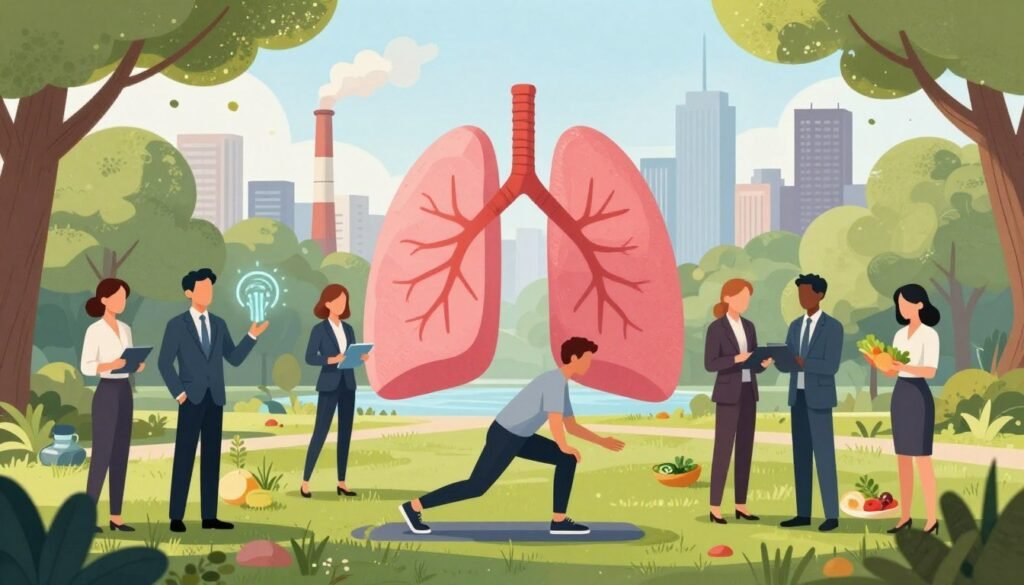
Your home and workplace are not always the safe havens you might imagine. Poor indoor air quality is a significant contributor to respiratory distress, often caused by common household items. Mold spores, dust mites, and volatile organic compounds from cleaning supplies can irritate your airways over time.
Long-term exposure to these pollutants often goes unnoticed until symptoms appear. Maintaining proper ventilation and using high-quality air filters are essential steps to protect your lung health in any environment.
Genetic Predispositions and Occupational Hazards
Sometimes, the risk to your respiratory system is written in your DNA. Certain genetic conditions can make individuals more susceptible to chronic lung issues regardless of their lifestyle choices. It is important to be aware of your family medical history to stay proactive.
Furthermore, your career path may expose you to invisible dangers. Workers in industries like construction, mining, or manufacturing often face high levels of dust, fumes, and chemical particles. Understanding these occupational hazards is vital for maintaining long-term lung health and ensuring you use the correct protective equipment.
| Risk Category | Primary Triggers | Impact on Lung Health |
|---|---|---|
| Environmental | Mold, Dust, Pollen | High sensitivity |
| Occupational | Chemicals, Silica, Fumes | Chronic irritation |
| Genetic | Inherited conditions | Increased vulnerability |
Myth: What Your Pulmonologist Won’t Tell You About Supplements
You might be surprised by what pulomonologist won’t tell you about the latest lung supplements. While the internet is full of advertisements for “miracle” pills, the medical community often remains skeptical for good reason. Many of these products lack rigorous clinical testing to prove they actually improve respiratory health.

The Role of Nutrition in Respiratory Health
Your lungs thrive on a balanced diet rather than expensive capsules. Nutrients like Vitamin C, Vitamin D, and Omega-3 fatty acids play a vital role in reducing inflammation throughout the body. Whole foods, such as leafy greens, fatty fish, and citrus fruits, provide these nutrients in a form your body can easily absorb.
Relying on a healthy plate is far more effective than chasing the latest supplement trend. When you prioritize nutrient-dense meals, you support your immune system and overall lung function naturally. Consistency in your diet is the true secret to long-term wellness.
Evidence-Based Supplements vs. Marketing Hype
It is important to distinguish between medically necessary supplementation and marketing hype. If you have a diagnosed deficiency, such as low Vitamin D, your doctor will likely recommend a specific supplement. However, most “lung support” blends sold online are not regulated with the same strict standards as prescription medications.
Many of these products are designed to capitalize on fear rather than science. Before adding any new pill to your routine, always discuss it with your healthcare provider. Understanding what pulomonologist won’t tell you—that there is no shortcut to respiratory health—can save you both money and potential health risks.
Myth: Coughing is Always a Sign of a Serious Condition
You might be surprised to learn that most coughs are simply your body’s way of clearing out unwanted particles. While a sudden hacking sound can feel alarming, it is often just a natural reflex triggered by minor environmental factors. Understanding the root cause of your cough can help you avoid unnecessary stress and manage your respiratory health more effectively.
Distinguishing Between Acute and Chronic Coughs
An acute cough typically appears suddenly and lasts for less than three weeks. These are most commonly caused by the common cold, seasonal allergies, or exposure to temporary irritants like dust and smoke. Your body is simply working to keep your airways clear.
In contrast, a chronic cough persists for eight weeks or longer in adults. This type of cough often points to underlying issues that require a closer look. Common triggers for long-term coughing include:
- Post-nasal drip from chronic sinus issues
- Gastroesophageal reflux disease (GERD)
- Asthma or other inflammatory airway conditions
- Environmental exposure to pollutants
When to Seek Professional Medical Advice
Knowing when to schedule a medical consultation is key to maintaining your peace of mind. While many coughs resolve on their own, certain symptoms serve as red flags that warrant a visit to a specialist. You should prioritize professional care if you notice any of the following warning signs.
| Symptom | Action Required | Potential Concern |
|---|---|---|
| Coughing up blood | Immediate attention | Serious infection or injury |
| Shortness of breath | Schedule appointment | Reduced lung function |
| Unexplained weight loss | Consult a doctor | Systemic health issues |
If your cough is accompanied by a high fever or chest pain, do not wait for it to pass. Early intervention is always the best strategy for protecting your long-term respiratory wellness. By monitoring your symptoms closely, you can distinguish between a simple irritation and a condition that truly needs expert support.
Myth: Air Purifiers Are a Cure-All for Respiratory Issues
Many people believe that purchasing a high-end air purifier will instantly resolve all their respiratory concerns. While these devices can certainly improve your environment, they are not a magical cure-all for every breathing issue. Relying on technology alone often ignores the complex nature of indoor air quality.
Limitations of Home Filtration Systems
Most modern units rely on HEPA filters, which are excellent at trapping fine particles like dust, pollen, and pet dander. However, these systems have distinct limitations that users should understand. They often struggle to remove gaseous pollutants, such as volatile organic compounds (VOCs) or odors, unless they include a specialized activated carbon layer.
“An air purifier is a tool, not a total solution. True respiratory wellness requires a holistic approach that includes source control and proper ventilation.”
Furthermore, the effectiveness of any filter depends heavily on the air exchange rate of the room. If the unit is too small for your space, it will fail to cycle the air frequently enough to make a measurable difference. You must also remember that filters require regular maintenance to remain functional.
Managing Humidity and Allergens Effectively
Creating a truly healthy living space involves more than just running a machine. You must actively manage the factors that contribute to poor air quality, such as moisture and hidden allergens. High humidity levels, for instance, can encourage mold growth that filters simply cannot prevent.
Consider these practical steps to improve your home environment:
- Control moisture: Use a dehumidifier to keep indoor humidity levels between 30% and 50%.
- Source reduction: Regularly wash bedding in hot water to eliminate dust mites.
- Ventilation: Open windows when outdoor air quality is good to flush out stagnant indoor air.
- Minimize chemicals: Switch to natural cleaning products to reduce the burden of VOCs in your home.
By combining air filtration with these proactive habits, you create a much stronger defense for your respiratory health. Think of your purifier as one piece of a larger puzzle rather than the entire solution.
Myth: You Should Avoid Exercise If You Have Asthma or COPD
If you have been told to avoid exercise due to your lung condition, it is time to reconsider that advice. Many patients believe that staying sedentary protects their lungs, but this approach often leads to a decline in physical fitness and overall well-being. In reality, movement is a vital component of managing chronic respiratory issues.
Learning how to increase lung health through guided activity can transform your daily life. When you remain active, you help your body use oxygen more efficiently, which reduces the sensation of breathlessness during routine tasks.
The Benefits of Pulmonary Rehabilitation
Pulmonary rehabilitation is a specialized program designed to help individuals with lung disease regain their strength. These programs provide a safe environment where medical professionals monitor your progress and heart rate. By participating, you learn the right way to improve lung capacity without overexerting yourself.
The advantages of these programs extend far beyond simple fitness. Patients often report significant improvements in their quality of life and a reduction in hospital visits. Key benefits include:
- Increased muscle strength to support easier breathing.
- Better management of anxiety related to shortness of breath.
- Improved endurance for daily activities like walking or climbing stairs.
How to Safely Incorporate Movement into Your Routine
Starting an exercise routine requires a thoughtful approach tailored to your specific limitations. You do not need to run a marathon to see results; even gentle, consistent movement makes a difference. The right way to improve lung capacity involves starting slowly and listening to your body.
Always consult with your healthcare provider before beginning any new fitness regimen. They can help you determine your current lung capacity and set realistic goals. Consider these simple steps to stay active safely:
- Start with short, five-minute walks on flat surfaces.
- Incorporate light stretching or chair-based exercises to build flexibility.
- Use a pulse oximeter if your doctor recommends monitoring your oxygen levels during activity.
- Focus on rhythmic breathing patterns to stay calm and controlled while moving.
By taking a proactive stance, you can reclaim your independence. Remember that consistent, low-impact movement is a powerful tool for long-term respiratory health.
Myth: Oxygen Therapy Leads to Dependency
A common misconception in respiratory care is that supplemental oxygen creates a physical dependency. Many patients fear that once they start using a tank or concentrator, their lungs will “forget” how to function independently. This belief often leads to unnecessary anxiety and, in some cases, a dangerous delay in starting essential treatment.
In reality, oxygen therapy is not a habit-forming substance like a medication. It is a life-saving intervention designed to support your body when your lungs can no longer provide enough oxygen to your blood on their own.
Understanding the Necessity of Supplemental Oxygen
When you have a chronic lung condition, your heart and brain may struggle to receive the oxygen they need to function properly. Supplemental oxygen acts as a bridge, ensuring that your vital organs remain healthy and active despite the limitations of your respiratory system.
Using this therapy does not weaken your lungs. Instead, it reduces the workload on your heart and helps you maintain a better quality of life. Consider these primary benefits of consistent use:
- Improved stamina for daily activities and exercise.
- Reduced strain on the heart muscle, preventing long-term complications.
- Better sleep quality and increased mental alertness throughout the day.
- Reduced shortness of breath during routine tasks.
Dispelling Fears About Long-Term Use
It is important to recognize that the need for oxygen is determined by your underlying medical condition, not by the therapy itself. If your doctor prescribes it, it is because your body requires that extra support to maintain optimal respiratory health.
Many patients worry that using oxygen long-term will make them “addicted” to the flow. You should view your equipment as a tool for freedom rather than a crutch. By providing your body with the oxygen it needs, you are actually empowering yourself to stay active and engaged with the world around you.
“Supplemental oxygen is a vital medical tool that sustains life and protects organ function. It is not a substance that creates dependency, but rather a necessary support for those with compromised lung capacity.”
If you have concerns about your prescription, always speak with your healthcare provider. They can explain exactly how your specific treatment plan supports your long-term wellness goals.
Professional Guidance for Your Respiratory Journey
Your path to better breathing is personal, and professional guidance ensures you stay on the right track. While general information is helpful, your pulmonary health requires a strategy that accounts for your specific medical history and lifestyle. Relying on expert insights helps you avoid common pitfalls and focus on what truly works for your body.
Why Personalized Care Matters
Every individual experiences respiratory health differently, which is why a one-size-fits-all approach often falls short. Personalized care allows specialists to identify unique triggers and develop targeted interventions that improve your quality of life. By working closely with a professional, you gain a clear roadmap tailored to your specific needs.
| Feature | General Advice | Personalized Care |
|---|---|---|
| Assessment | Broad guidelines | Individual diagnostics |
| Treatment | Standard protocols | Customized plans |
| Outcome | Variable results | Optimized recovery |
How to Book Your Consultation at RespiraSwiss
Taking the next step toward better pulmonary health is simple and efficient. We encourage you to visit our website to schedule a session where we can discuss your specific concerns in detail. Please head over to Appointment Booking to select a time that works best for your schedule.
Contacting Our Team
If you have immediate questions or need further clarification regarding your respiratory health, our support staff is ready to assist you. You can reach out to our dedicated team via email for prompt and reliable answers. We are committed to providing the guidance you need to feel confident in your wellness journey.
Conclusion
Navigating the world of medical information requires a sharp eye for truth. You now possess the tools to separate common myths from the reality of your lung health. Using evidence-based knowledge empowers you to make better choices every single day.
Your journey toward improved lung health starts with small, consistent actions. Prioritizing clean air and smart lifestyle habits creates a strong foundation for your body. You deserve to breathe easier and live with greater vitality.
Professional guidance remains a vital part of this process. Reach out to the experts at RespiraSwiss to discuss your specific needs. Booking a consultation puts you on the right path toward long-term wellness.
Our team at RespiraSwiss stands ready to support your goals. Trust in science and keep moving forward with confidence. Your commitment to better breathing makes a lasting difference in your life.