
Finding it hard to breathe can be a frightening experience for anyone. In India, understanding the warning signs of acute pulmonary edema is vital for your health and safety. This condition occurs when fluid builds up in the lungs, making it difficult for oxygen to reach your bloodstream.
Recognizing these symptoms early allows you to seek immediate medical help. When you act quickly, you significantly improve the chances of a positive recovery. Our guide explains why this fluid accumulation happens and how to identify the red flags before they lead to respiratory failure.
We want to empower you with the knowledge needed to handle such emergencies with confidence. Timely clinical assessment is the most effective way to protect your heart and lungs from long-term damage. Stay informed and stay prepared for your well-being.
Key Takeaways
- Fluid buildup in the lungs requires urgent medical attention.
- Difficulty breathing is a primary warning sign of this condition.
- Early detection helps prevent severe respiratory complications.
- Professional clinical assessment is necessary for an accurate diagnosis.
- Knowing the causes helps you manage your health risks effectively.
Understanding Acute Pulmonary Edema
When fluid begins to collect in the lungs, the body faces a significant challenge in maintaining oxygen levels. This condition, known as acute pulmonary edema, occurs when fluid builds up in the tiny air sacs of the lungs, known as the parenchyma.
This accumulation of fluid makes it difficult for your body to exchange oxygen and carbon dioxide effectively. If left untreated, this lung edema can lead to severe complications that impact your overall health.
Defining the Condition
Medical professionals categorize this issue into two primary types based on the underlying cause. Understanding these differences is essential for effective management and recovery.
- Cardiogenic: This is typically caused by heart-related issues, such as congestive heart failure, where the heart cannot pump blood efficiently.
- Non-cardiogenic: This form of lung edema arises from factors unrelated to heart function, such as infections, trauma, or exposure to certain toxins.
Why Rapid Response Matters
The progression of acute pulmonary edema can be incredibly swift. Because the lungs are vital for oxygenating the blood, any interference with their function can quickly become a life-threatening emergency.
Without prompt medical intervention, the body may enter a state of respiratory failure. Acting quickly is the most effective way to stabilize the patient and prevent long-term damage to the respiratory system. Always seek professional help immediately if you suspect that you or a loved one is struggling to breathe.
Recognizing the Signs and Symptoms
When fluid begins to accumulate in the lungs, your body often sends out quiet signals long before a crisis occurs. Paying close attention to these changes can help you manage your health more effectively. Identifying a breathing issue early is the best way to ensure you receive the right care at the right time.

Early Warning Indicators
The initial stages of acute pulmonary edema often manifest as subtle changes in your daily comfort. You might notice that you feel slightly breathless during activities that were previously easy to perform. This progressive breathing difficulty is a common sign that your lungs are struggling to exchange oxygen efficiently.
Clinicians often look for specific markers like tachypnea, which is an abnormally rapid rate of breathing. Additionally, hypoxia, or low oxygen levels in the blood, can cause a general feeling of fatigue or confusion. Monitoring these trends is essential for catching lung edema before it progresses further.
Severe Respiratory Distress Signals
As the condition advances, the symptoms become much more pronounced and harder to ignore. One of the most distinct clinical indicators is the presence of fine crackles heard during the inspiratory phase of breathing. These sounds occur because the small air sacs in the lungs are struggling to open against the fluid.
“The body is a complex system that often whispers its needs long before it begins to scream for help.”
Another alarming sign is the production of frothy, pink-tinged sputum during a cough. This indicates that fluid has moved into the airways, creating a serious breathing issue that requires immediate intervention. If you experience a sudden sense of suffocation, it is a clear signal that your body is in distress.
When to Seek Emergency Medical Attention
You should never wait to see if symptoms improve if you are struggling to catch your breath. If you or a loved one experiences severe breathing difficulty, seek emergency medical care immediately. Prompt treatment for acute pulmonary edema can prevent the need for invasive procedures and significantly improve your recovery outlook.
Remember that lung edema is a medical emergency that demands professional assessment. Do not hesitate to call for help if you feel like you cannot get enough air. Taking quick action is the most effective way to protect your long-term respiratory health.
Common Causes and Risk Factors
When you experience persistent breathing difficulty, it is often a sign that your body is struggling with internal pressure. Identifying the root causes of fluid buildup is essential for managing your health effectively and preventing future emergencies.
Heart-Related Triggers
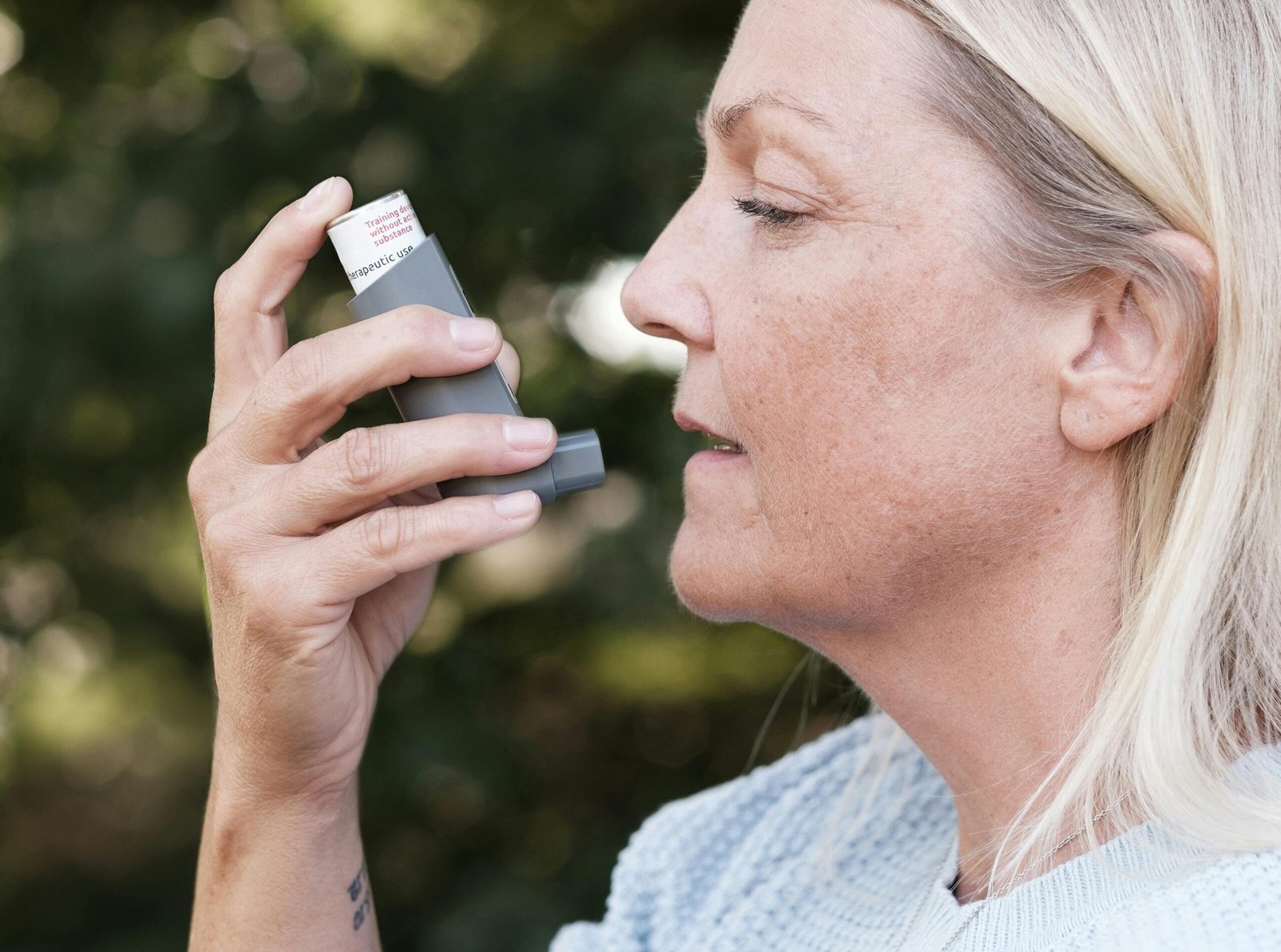
Cardiogenic pulmonary edema typically arises due to a rapid elevation in the hydrostatic pressure of the pulmonary capillaries. When the heart struggles to pump blood efficiently, fluid can back up into the lungs, leading to significant breathing difficulty.
Conditions such as chronic heart failure or valvular dysfunction are primary culprits in this process. These issues force the heart to work harder, which directly impacts the delicate balance of fluids within your chest cavity.
Non-Cardiac Causes of Fluid Accumulation
Not all fluid buildup is linked to heart function. Severe infections, such as pneumonia, can cause inflammation that leads to fluid leakage into the air sacs. Acute respiratory distress syndrome (ARDS) is another serious condition that triggers rapid breathing difficulty by damaging the lung lining.
These non-cardiac factors often require specialized medical intervention to address the underlying inflammation. Recognizing these triggers early is vital for effective treatment and recovery.
Environmental and Lifestyle Influences
Your daily habits play a significant role in your overall lung health. A high salt intake or frequent consumption of processed foods can exacerbate fluid retention, placing unnecessary strain on your heart and lungs.
By making mindful dietary choices, you can reduce the risk of recurring breathing difficulty. Maintaining a balanced lifestyle is a powerful tool in your defense against fluid accumulation.
| Trigger Category | Primary Mechanism | Risk Level |
|---|---|---|
| Heart Failure | Increased Capillary Pressure | High |
| Severe Pneumonia | Inflammatory Leakage | Moderate |
| High Sodium Diet | Fluid Retention | Low to Moderate |
| Valvular Issues | Blood Flow Obstruction | High |
The Connection Between Pulmonary Health and Chronic Diseases
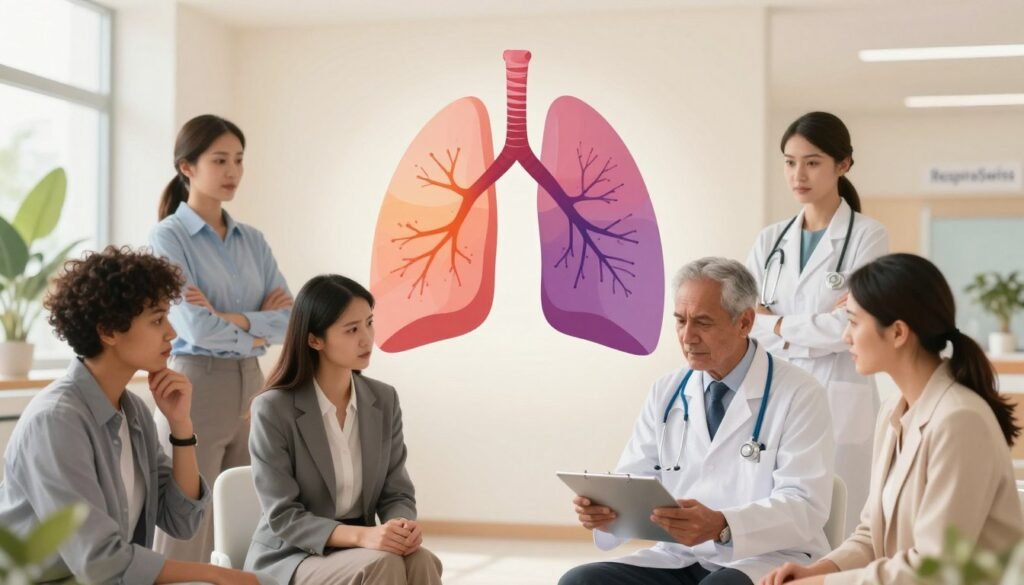
Managing your pulmonary health becomes significantly more challenging when other chronic diseases are present. These conditions often create a complex web that impacts how your lungs function on a daily basis. Understanding these interactions is a vital step toward maintaining long-term stability.
Impact of COPD and Bronchitis
Chronic conditions like COPD and bronchitis significantly complicate the management of your respiratory system. These lung diseases reduce overall lung function, making it harder for your body to exchange oxygen efficiently. When airways become inflamed or obstructed, the risk of experiencing breathing emergencies increases substantially.
Pulmonary Health and Lung Cancer Risks
Patients with a history of chronic respiratory issues face unique challenges regarding lung cancer. Persistent inflammation in the lungs can create an environment where cellular changes are more likely to occur. Regular screenings are essential for those with pre-existing pulmonary diseases to ensure early detection and better outcomes.
Managing Pre-existing Pulmonary Diseases
Effective care requires a holistic approach that monitors more than just your breathing. For instance, nutritional status plays a critical role in your recovery and resilience. Research shows that low albumin levels (≤3.4 g/dL) serve as an independent marker for increased mortality in patients with heart failure.
By keeping a close watch on your nutrition and lung health, you can prevent acute decompensation. Always work with your medical team to create a plan that addresses both your lung health and any underlying chronic conditions. Staying proactive is the best way to protect your future well-being.
Immediate Actions to Take During a Breathing Emergency
Managing a sudden breathing difficulty requires calm, quick, and effective action. When the body struggles to get enough oxygen, the heart and lungs work harder, which can lead to rapid exhaustion. Taking the right steps immediately can help stabilize the situation until medical professionals arrive.
Positioning for Better Airflow
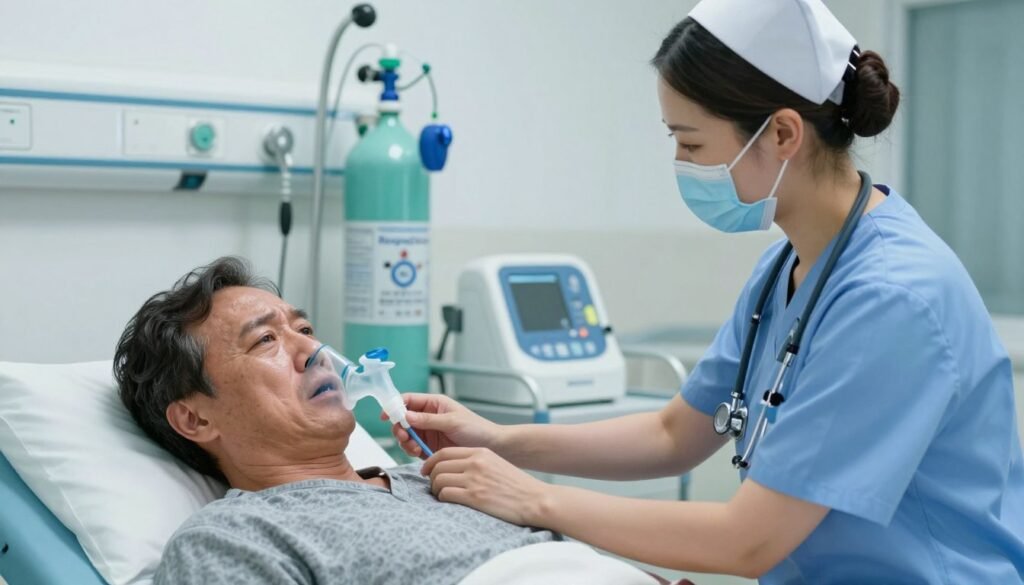
If you or someone nearby experiences a breathing issue, the first priority is to improve airflow. You should help the person sit upright in a chair or on the edge of a bed. This position uses gravity to help pull the diaphragm down, which allows the lungs to expand more fully.
Avoid lying flat, as this can increase the pressure on the lungs and make it harder to breathe. Leaning slightly forward with hands resting on the knees can also help open the chest cavity. This simple adjustment often reduces the immediate work of breathing for the patient.
When to Call for Professional Help
While positioning helps, it is not a cure for the underlying cause of fluid buildup. You must seek emergency medical care if symptoms do not improve quickly. Early initiation of noninvasive mechanical ventilation is a proven strategy to reduce respiratory muscle fatigue and prevent the need for more invasive procedures.
Professional medical teams have the tools to restore proper oxygenation levels safely. They can identify the root cause of the breathing difficulty and provide targeted treatments. Do not wait for symptoms to worsen before seeking help.
Contacting Expert Support
If you are unsure about the severity of a breathing issue, please reach out to our expert support team at care@respiraswiss.com for guidance. Our specialists can provide information on how to manage respiratory distress effectively. We are here to help you navigate these critical moments with confidence.
| Action Step | Purpose | Expected Outcome |
|---|---|---|
| Sit Upright | Improve lung expansion | Reduced work of breathing |
| Stay Calm | Lower heart rate | Decreased oxygen demand |
| Seek Help | Clinical intervention | Restored oxygen levels |
| Use Ventilation | Support muscles | Prevent respiratory failure |
Diagnostic Procedures and Medical Interventions
When you arrive at the hospital with breathing difficulties, doctors act quickly to find the root cause. Medical professionals prioritize stabilizing your breathing while simultaneously gathering data to understand why fluid is accumulating in your lungs. This dual approach ensures that you receive the most effective care possible during a stressful time.
Clinical Assessment Methods
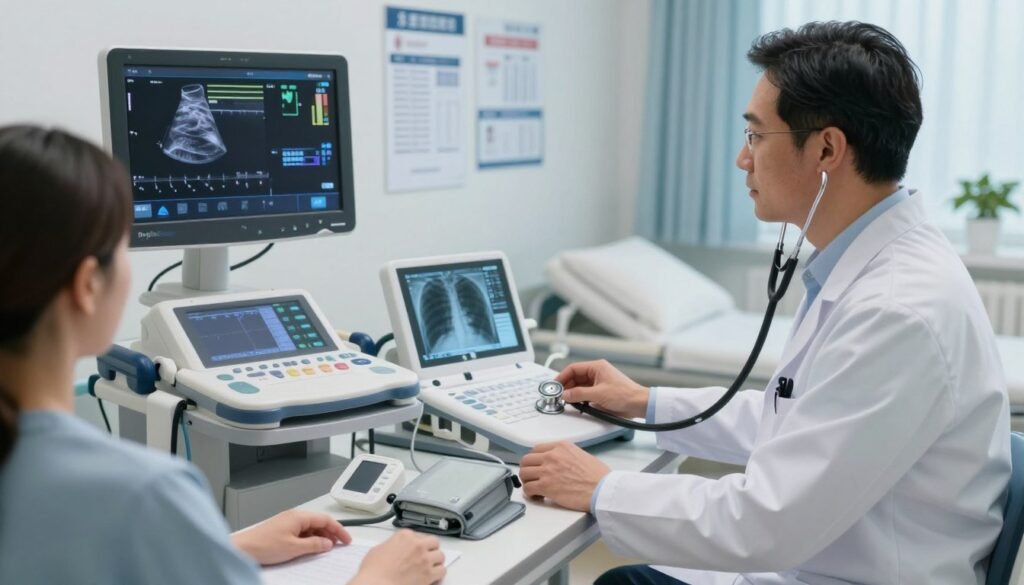
The diagnostic process typically begins with a thorough physical examination. Doctors listen to your heart and lungs to detect abnormal sounds, such as crackles, which often signal fluid buildup. They will also check your blood pressure and oxygen saturation levels to gauge the severity of your condition.
To get a clearer picture, medical teams often order a chest X-ray. This imaging test helps visualize the lungs and heart, allowing doctors to see if the heart is enlarged or if fluid is present in the air sacs. An echocardiogram is another vital tool used to evaluate how well your heart is pumping blood throughout your body.
Standard Hospital Treatments
Once the medical team identifies the cause, they start treatments to ease the workload on your heart and improve your breathing. The primary goal is to remove excess fluid and restore normal oxygen levels in your blood. In complex cases, doctors may use invasive hemodynamic monitoring, such as a pulmonary artery catheter.
This specialized catheter helps measure the pressure within the pulmonary arteries. An elevated pulmonary artery occlusion pressure over 18 mm Hg is a key indicator that the fluid buildup is cardiogenic, meaning it stems from heart-related issues. This measurement allows the clinical team to tailor their interventions precisely to your needs.
Medications and Oxygen Therapy
Supplemental oxygen is usually the first line of defense to help you breathe more comfortably. By increasing the oxygen concentration in your lungs, the medical team reduces the strain on your heart and lungs. Every breath becomes easier as your body receives the support it needs to recover.
Doctors often prescribe diuretics to help your body eliminate excess fluid through increased urination. These medications are highly effective at reducing the volume of fluid in the lungs. By combining these treatments, the medical staff works to stabilize your condition and prevent further complications.
Long-term Strategies to Improve Lung Capacity and Health
Taking charge of your pulmonary health is the most effective way to ensure long-term vitality and comfort. While acute episodes require immediate medical attention, your daily habits play a crucial role in how well your respiratory system functions over time.
Lifestyle Changes for Better Breathing
A heart-healthy diet is often the best foundation for lung health. Reducing your intake of sodium helps prevent fluid retention, which is vital for those prone to congestion.
You should also limit processed foods that contribute to systemic inflammation. Choosing fresh, whole ingredients provides your body with the nutrients needed to support efficient oxygen exchange.
“The greatest wealth is health, and the foundation of that wealth is the air we breathe and how we care for the vessels that carry it.”
Exercises to Improve Pulmonary Health
Regaining your exercise tolerance is a gradual process that requires patience. Engaging in low-impact activities like walking or swimming can significantly boost your lung capacity over several months.
If you are planning travel to high altitudes, consult your doctor about prophylactic measures. For instance, nifedipine is sometimes used to lower pulmonary arterial pressure and prevent high altitude pulmonary edema.
Learning how to improve lungs through controlled breathing techniques can also be highly beneficial. These exercises help strengthen the diaphragm and improve the efficiency of your respiratory muscles.
Monitoring Lung Health Over Time
Consistent tracking is essential for anyone with a history of heart or lung disease. Regular check-ups allow you to understand how to improve pulmonary health based on your specific medical needs.
Keep a simple log of your breathing comfort and exercise tolerance. Sharing this data with your healthcare provider ensures that your long-term wellness plan remains effective and safe.
Conclusion
Managing your health requires a consistent commitment to monitoring how your body functions every day. Pulmonary edema represents a serious medical event that demands quick action and expert pulmonary care to ensure the best possible outcomes.
You hold the power to improve your daily life by staying informed about your physical limits. Building a strong partnership with your doctor helps you track changes in your breathing patterns before they become emergencies.
Many people find that proactive habits reduce the severity of various lung diseases over time. Small adjustments to your routine create a foundation for better oxygen intake and overall vitality.
Do not wait for symptoms to worsen before seeking guidance from medical professionals at institutions like Apollo Hospitals or Fortis Healthcare. Early detection remains the most reliable way to maintain your independence and strength.
Your journey toward better health starts with a single step toward awareness. Share this information with your family to ensure everyone understands the importance of respiratory care. Staying vigilant protects your future and keeps your lungs healthy for years to come.