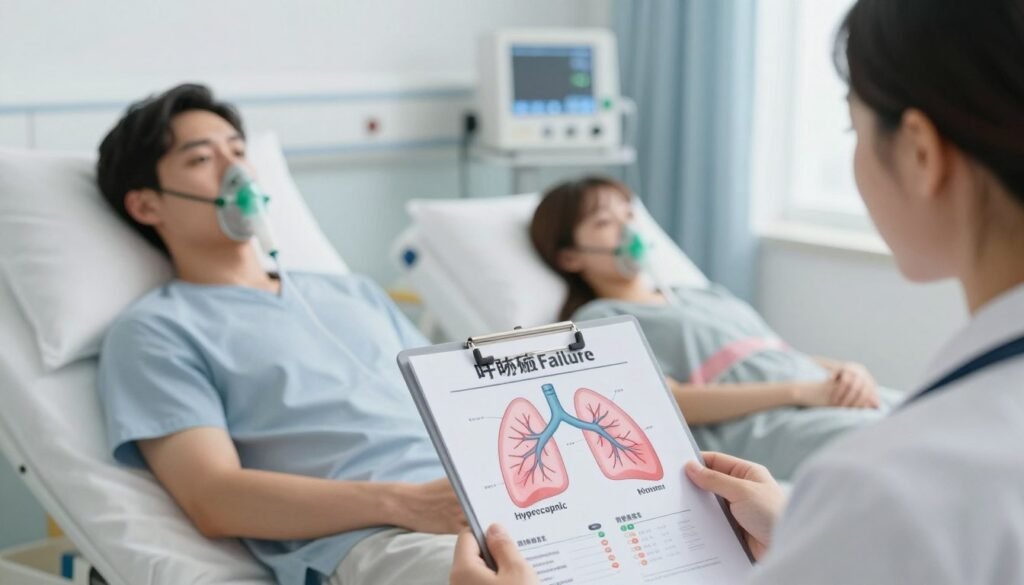
Did you know that your body processes over 20,000 breaths every single day without you even thinking about it? This silent, constant rhythm is vital for life, yet many people remain unaware of what happens when this delicate system struggles to function.
Essentially, this condition occurs when your lungs cannot provide enough oxygen to your blood or fail to remove carbon dioxide effectively. Recognizing the different respiratory failure types is a critical step in protecting your long-term health.
Because these issues can escalate quickly, they are considered medical emergencies that require immediate professional attention. By learning about these respiratory failure types, you empower yourself to act fast when your body signals that it needs help.
Key Takeaways
- Understanding how your lungs exchange gases is essential for recognizing early warning signs.
- This condition happens when oxygen levels drop or carbon dioxide builds up to dangerous levels.
- Always treat sudden breathing difficulties as a serious medical emergency.
- Proactive management starts with knowing the common symptoms of pulmonary distress.
- Seeking timely medical advice can significantly improve health outcomes for patients of all ages.
Understanding the Basics of Respiratory Health
Your lungs are the silent engines that power every movement you make throughout the day. This complex system is responsible for aerobic metabolism, which provides the vital oxygen your tissues and organs need to function correctly. When you prioritize your respiratory health, you are essentially investing in your body’s ability to sustain energy and vitality.
Why Lung Health Matters for Your Daily Life
Maintaining optimal lung health is not just about avoiding illness; it is about ensuring your body operates at peak efficiency. Every breath you take fuels your muscles and brain, allowing you to handle the demands of a busy life in India with ease. When your lungs are strong, you can enjoy physical activities without feeling constantly drained or fatigued.
Good pulmonary health directly influences your quality of life by keeping your internal systems balanced. If your breathing efficiency drops, even simple tasks like climbing stairs or walking to the market can become challenging. By nurturing your lungs, you protect your long-term independence and overall well-being.
Common Indicators of Declining Pulmonary Health
It is important to stay alert to the subtle signals your body sends when your respiratory health begins to waver. Many people ignore early warning signs, but recognizing them quickly can prevent significant long-term damage. Common symptoms often include persistent shortness of breath or a feeling of air hunger, where you feel like you cannot get enough oxygen.
In more serious cases, you might notice a bluish tint to your skin, lips, or fingernails, which indicates that your blood is not receiving enough oxygen. If you experience these changes, it is essential to take them seriously. Paying attention to your pulmonary health today ensures that you can continue to breathe easily and live a full, active life tomorrow.
Categorizing Respiratory Failure Types
Respiratory failure is not a single condition, but rather a spectrum of issues that clinicians group into distinct respiratory failure types. By identifying the specific nature of the gas exchange deficit, medical teams can provide more targeted and effective care for patients across India.
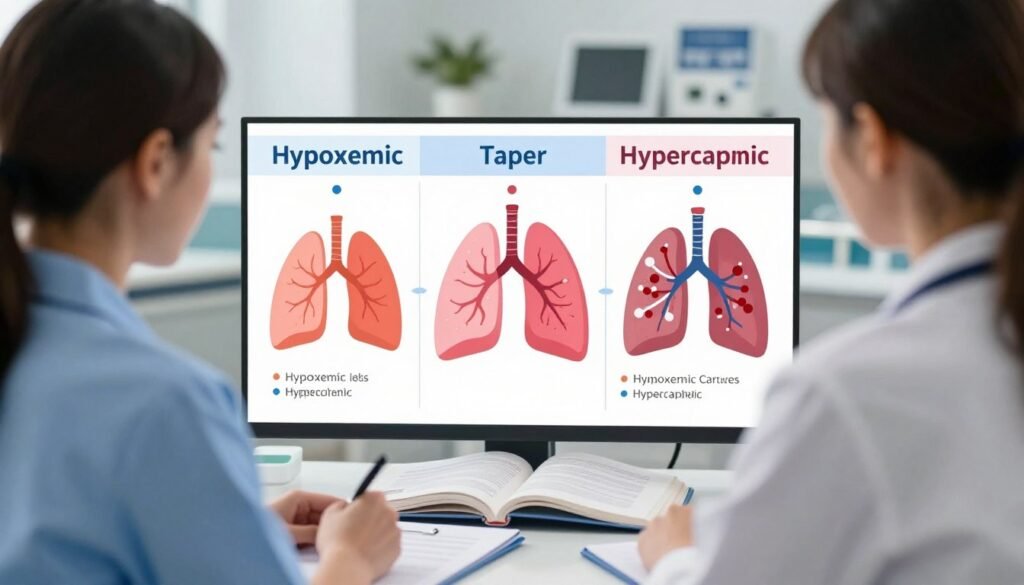
Hypoxemic Respiratory Failure Explained
Often referred to as Type 1, this condition occurs when the body struggles to bring enough oxygen into the bloodstream. It is clinically defined by a partial pressure of oxygen (PaO2) of less than 60 mmHg while the patient is breathing room air.
This failure happens when the lungs cannot adequately transfer oxygen from the air sacs into the blood. It is a common concern in patients suffering from severe pneumonia or pulmonary edema, where fluid buildup blocks normal gas exchange.
Hypercapnic Respiratory Failure and Its Causes
Type 2, or hypercapnic failure, involves the body’s inability to remove carbon dioxide effectively. When carbon dioxide levels rise in the blood, it creates a dangerous imbalance that can lead to respiratory acidosis.
This often stems from issues with the mechanics of breathing, such as muscle weakness or airway obstruction. Conditions like chronic obstructive pulmonary disease (COPD) or drug overdoses that suppress the drive to breathe are frequent triggers for these respiratory failure types.
Acute Versus Chronic Respiratory Failure
Beyond the gas exchange mechanism, doctors also distinguish between the speed of onset. Acute respiratory failure develops rapidly, often over minutes or hours, and requires immediate life-saving intervention in an emergency setting.
In contrast, chronic respiratory failure develops slowly over weeks or months. The body often adapts to these changes over time, though the underlying condition still requires careful management to prevent further decline. Understanding these respiratory failure types is vital for long-term health monitoring and effective treatment planning.
Common Lung Diseases Leading to Respiratory Issues
When we look at respiratory health, specific illnesses often stand out as primary drivers of distress. Various lung diseases can significantly impair your ability to breathe, often leading to secondary respiratory failure. By understanding how these conditions progress, you can better manage your symptoms and protect your long-term health.
Chronic Obstructive Pulmonary Disease (COPD) Impact
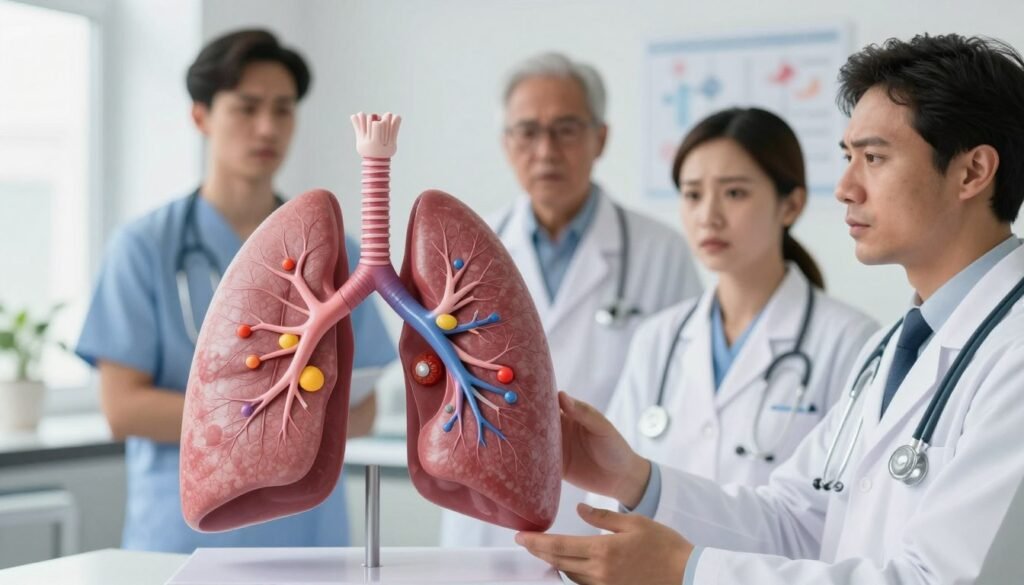
COPD is a progressive condition that makes it difficult to move air in and out of the lungs. It is a serious concern, as acute exacerbation of COPD is the third most common etiology in patients hospitalized for acute respiratory failure. This condition often leads to a permanent reduction in total lung capacity, making everyday activities feel exhausting.
“Early intervention in chronic respiratory conditions is the cornerstone of preventing permanent damage to the pulmonary system.”
The Role of Pneumonia in Respiratory Distress
Pneumonia is one of the most common respiratory diseases that can lead to sudden, severe distress. It causes inflammation in the air sacs, which may fill with fluid or pus. This infection limits the amount of oxygen reaching your bloodstream, forcing your body to work much harder to maintain basic functions.
- Increased coughing and mucus production.
- Sharp chest pain during deep breaths.
- Rapid, shallow breathing patterns.
Asthma and Its Long-Term Effects on Lung Capacity
While many view asthma as a temporary issue, it can have lasting effects on your lung capacity if left unmanaged. Chronic inflammation causes the airways to narrow, which can lead to structural changes over time. Consistent care is essential to ensure that these respiratory diseases do not cause irreversible damage to your pulmonary health.
Managing these lung diseases requires a proactive approach to medical care. Whether you are dealing with asthma or other chronic conditions, staying informed is the best way to maintain your quality of life. Always consult with a healthcare professional to create a plan tailored to your specific needs.
How to Improve Respiratory Health and Build Strong Lungs
Building strong lungs is a journey that starts with small, consistent changes to your daily routine. Taking proactive steps today can significantly enhance your overall well-being and vitality. By focusing on simple lifestyle adjustments, you can learn how to improve lung health effectively.

Healthy Pulmonary Habits for Everyday Living
Adopting healthy pulmonary habits is the foundation of a robust respiratory system. One of the most impactful changes you can make is avoiding exposure to indoor and outdoor pollutants. In many parts of India, using air purifiers during high-pollution months can make a noticeable difference in your breathing comfort.
Maintaining good posture is another often overlooked habit. When you sit or stand upright, your lungs have more room to expand fully. This simple adjustment allows for deeper, more efficient breaths throughout your busy day.
Exercises to Increase Lung Capacity
Targeted physical activity is essential to increase your lung capacity. Aerobic exercises like brisk walking, swimming, or cycling encourage your heart and lungs to work together more efficiently. These activities help your body utilize oxygen better, which is vital for sustained energy.
Diaphragmatic breathing, or belly breathing, is a powerful technique you can practice anywhere. By focusing on slow, deep inhalations that expand your abdomen, you strengthen the muscles responsible for respiration. Consistency is key when performing these exercises to see long-term improvements in your stamina.
Dietary Choices That Support Healthy Lungs
Your nutrition plays a critical role in maintaining healthy lungs. Incorporating foods rich in antioxidants, such as berries, leafy greens, and nuts, helps combat oxidative stress and inflammation. These nutrients provide the fuel your body needs to repair tissues and maintain optimal function.
Staying well-hydrated is equally important for your respiratory system. Drinking plenty of water helps keep the mucosal linings in your lungs thin, which makes it easier to breathe. By making these informed dietary choices, you are taking a significant step in how to improve respiratory health for the long term.
When to Seek Professional Medical Guidance
Your lungs are vital organs, and recognizing the signs that they need expert attention can save your life. While minor coughs often resolve on their own, certain indicators suggest that your body is struggling to maintain proper oxygen levels. Taking action early is the most effective way to protect your long-term respiratory function.

Recognizing Emergency Symptoms
Some symptoms require immediate medical evaluation to prevent life-threatening complications. If you or a family member experience these signs, please seek emergency care without delay:
- Severe shortness of breath that makes it difficult to speak or perform basic tasks.
- Sudden confusion or disorientation, which may indicate that the brain is not receiving enough oxygen.
- Cyanosis, characterized by a bluish tint to the lips, face, or fingernails.
- Persistent chest pain or a feeling of extreme pressure in the lungs.
The Importance of Early Diagnosis in India
In India, the healthcare landscape is evolving, and early diagnosis remains a critical factor in managing chronic conditions. Many respiratory issues, if caught in the initial stages, respond much better to treatment plans. Timely medical intervention prevents minor distress from progressing into respiratory failure, coma, or even fatal outcomes.
“Early detection is not just a medical recommendation; it is a fundamental strategy for preserving quality of life and ensuring that respiratory conditions do not dictate your future.”
Contacting Respiraswiss for Expert Support
If you are struggling with persistent breathing issues or have concerns about your lung health, you do not have to navigate this journey alone. Our team is dedicated to providing the professional guidance you need to manage your condition effectively.
We encourage you to reach out to us to discuss your specific health concerns and receive personalized advice. You can contact Respiraswiss for expert support to start your path toward better respiratory wellness today.
Conclusion
Managing your lung health is a lifelong commitment that pays dividends in your daily energy and vitality. Small changes in your routine create a lasting impact on how well your body processes oxygen.
Respiratory failure remains a serious condition that demands your full attention and awareness. You hold the power to protect your well-being by staying alert to early warning signs and maintaining healthy habits.
Early medical consultation serves as your best defense against long-term complications. Reach out to the experts at Respiraswiss via email if you notice persistent changes in your breathing patterns.
Professional guidance provides the clarity needed to navigate complex health challenges with confidence. You deserve to breathe easily and live a full, active life in India.
Stay proactive about your wellness journey starting today. Prioritize your pulmonary health to ensure a vibrant future for yourself and your loved ones.