Do you wake up exhausted no matter how many hours you sleep? Does your partner complain about loud snoring — or tell you that you sometimes stop breathing in your sleep? These aren’t minor inconveniences. They could be signs of obstructive sleep apnea (OSA) — a condition that affects an estimated 1 billion people worldwide and significantly increases the risk of heart disease, stroke, and Type 2 diabetes.
The good news: sleep apnea is highly treatable. The challenge is that most people go undiagnosed for years. This article helps you identify the signs early and understand your treatment options.
What Is Sleep Apnea?
Sleep apnea is a sleep disorder characterised by repeated episodes of complete or partial airway obstruction during sleep. When the airway collapses or becomes blocked, breathing stops — sometimes hundreds of times per night — and the brain briefly wakes the body to resume breathing.
There are three main types:
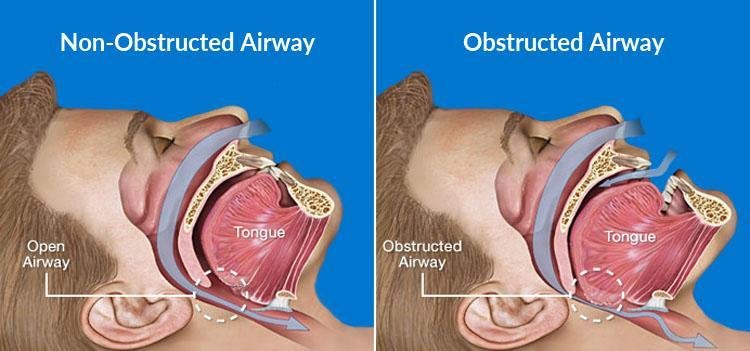
- Obstructive Sleep Apnea (OSA): The most common type — caused by physical blockage of the upper airway.
- Central Sleep Apnea (CSA): The brain fails to send proper signals to breathing muscles.
- Complex (Mixed) Sleep Apnea: A combination of both obstructive and central types.
10 Warning Signs of Sleep Apnea
Many people don’t realise they have sleep apnea because most symptoms occur during sleep. Here’s what to look out for:
Night-time Signs
- Loud, chronic snoring — especially snoring that’s louder than normal conversation or audible through walls
- Observed breathing pauses — witnessed by a partner or roommate; often followed by a gasp or choke
- Gasping or choking during sleep — a sign the airway has collapsed and is being forcefully cleared
- Frequent night-time urination (nocturia) — waking 2+ times per night to urinate can be sleep apnea-related
- Night sweats — caused by the body’s exertion during repeated breathing interruptions
Daytime Signs
- Excessive daytime sleepiness (EDS) — feeling drowsy at work, during conversations, or even while driving
- Morning headaches — caused by reduced oxygen and elevated CO₂ in the blood during apnea episodes
- Difficulty concentrating or “brain fog” — memory problems and poor attention span are common in untreated OSA
- Irritability and mood changes — sleep fragmentation increases anxiety, depression, and emotional reactivity
- Dry mouth or sore throat on waking — from breathing through the mouth all night
Who Is at Risk of Sleep Apnea?
While anyone can develop sleep apnea, certain factors significantly raise the risk:
- Being overweight or obese (excess fat around the neck compresses the airway)
- Male sex (men are 2–3x more likely than pre-menopausal women)
- Age over 40 (risk increases significantly from middle age)
- Large neck circumference (>40cm in women, >43cm in men)
- Nasal congestion or deviated septum
- Alcohol consumption before bed (relaxes throat muscles)
- Family history of sleep apnea
- Postmenopausal women (hormonal changes raise risk significantly)
Why Untreated Sleep Apnea Is Dangerous
Each apnea episode causes an oxygen drop that stresses the heart and blood vessels. Over time, untreated sleep apnea significantly raises the risk of:
- High blood pressure (hypertension) — often drug-resistant
- Heart attack and cardiac arrhythmia (especially atrial fibrillation)
- Stroke
- Type 2 diabetes and metabolic syndrome
- Depression and anxiety disorders
- Traffic and workplace accidents due to daytime sleepiness
How Is Sleep Apnea Diagnosed?
Diagnosis typically involves a sleep study. At RespiraSwiss, we offer:
- Home Sleep Apnea Testing (HSAT): A convenient overnight device worn at home that measures oxygen levels, breathing rate, and airflow.
- In-Lab Polysomnography (PSG): The gold-standard full overnight sleep study monitoring brainwaves, eye movements, muscle activity, heart rhythm, oxygen, and more.
Sleep Apnea Treatment Options
CPAP Therapy (Continuous Positive Airway Pressure)
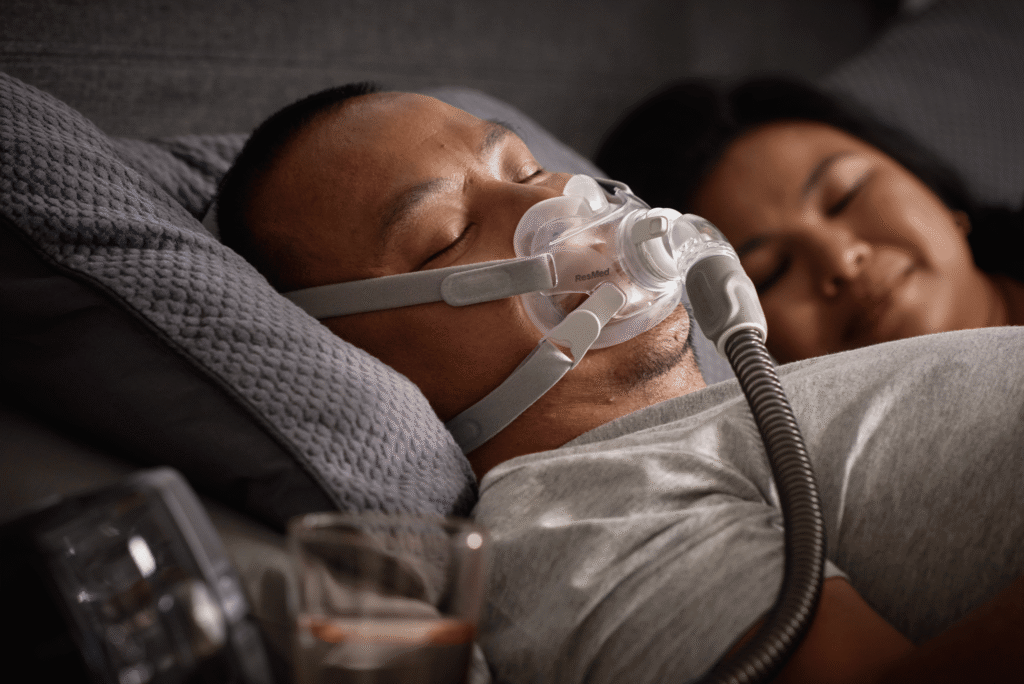
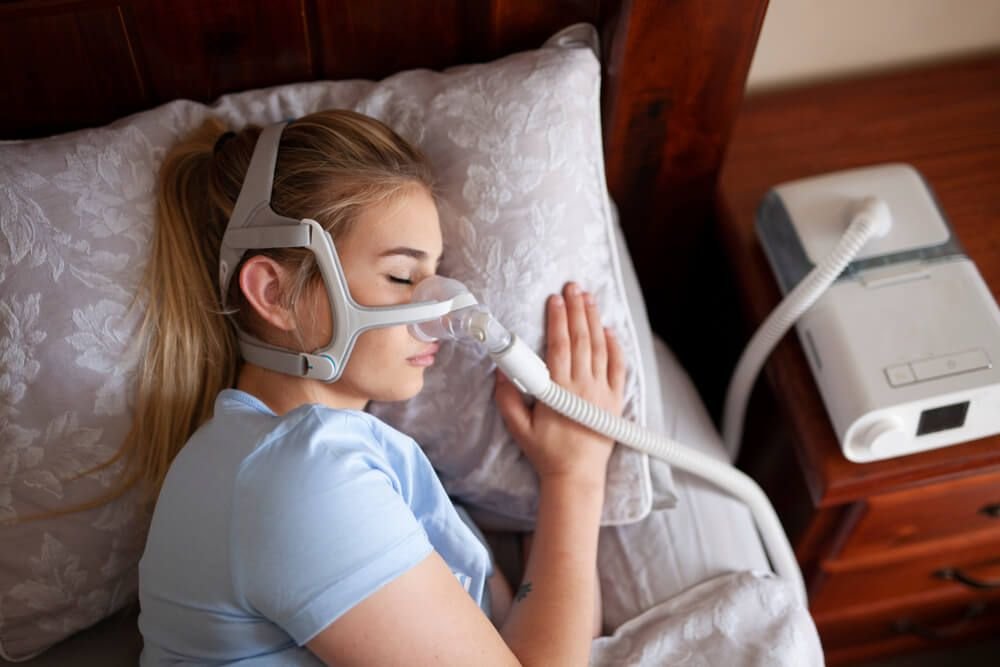
CPAP is the gold-standard treatment for moderate to severe OSA. A mask worn during sleep delivers gentle pressurised air to keep the airway open. Modern CPAP machines are quiet, compact, and highly effective. Most patients report dramatically better sleep quality and energy levels within weeks.
Mandibular Advancement Devices (MADs)
Custom-fitted oral appliances that reposition the jaw and tongue forward to keep the airway open. Ideal for mild to moderate OSA or for patients who cannot tolerate CPAP.
Lifestyle Changes
- Weight loss (even 10% body weight reduction can halve apnea severity)
- Sleeping on your side instead of your back
- Avoiding alcohol and sedatives within 4 hours of bedtime
- Treating nasal allergies or congestion
- Regular exercising
Surgical Options
For selected patients, surgical procedures such as uvulopalatopharyngoplasty (UPPP), tonsillectomy, or hypoglossal nerve stimulation (e.g. Inspire therapy) may be appropriate when other treatments have failed.
The STOP-BANG Questionnaire
A quick way to gauge your own risk is the STOP-BANG questionnaire. Score 1 point for each “Yes”:
- S — Do you Snore loudly?
- T — Do you often feel Tired, fatigued, or sleepy during the day?
- O — Has anyone Observed you stop breathing during sleep?
- P — Do you have high blood Pressure?
- B — BMI over 35?
- A — Age over 50?
- N — Neck circumference >40cm?
- G — Gender: Male?
Score 3–4: Intermediate risk | Score 5–8: High risk — seek a sleep study.
Take Control of Your Sleep — and Your Health
Recognising the signs is the first step. If you or someone you know experiences loud snoring, daytime fatigue, or observed breathing pauses, don’t dismiss them. A sleep study can diagnose — or rule out — sleep apnea in just one night.
Schedule a sleep apnea assessment at RespiraSwiss. Our expert team will guide you from diagnosis to effective, personalised treatment.