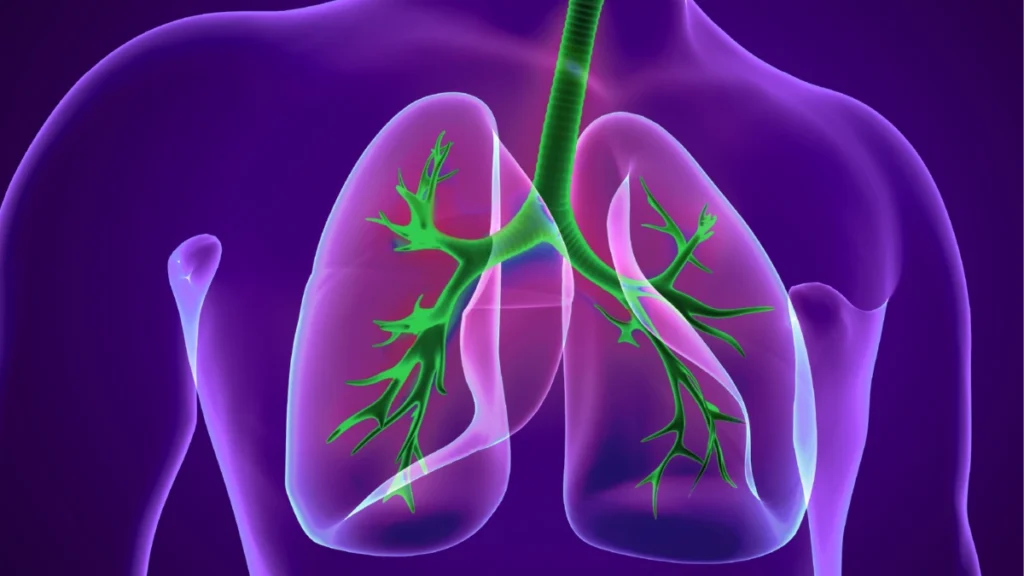
Chronic Obstructive Pulmonary Disease (COPD) is one of the most common and serious lung conditions worldwide — and one of the most preventable. Yet millions of people live with COPD for years before receiving a diagnosis, often mistaking its early warning signs for normal aging or seasonal colds.
At RespiraSwiss, we work with patients at every stage of COPD — from initial diagnosis to long-term disease management. This guide walks you through what COPD really means, how to recognise its symptoms early, and what modern treatment looks like today.
What Is COPD?
COPD is an umbrella term for a group of progressive lung diseases — primarily emphysema and chronic bronchitis — that block airflow and make breathing increasingly difficult. The airways become inflamed and damaged over time, reducing the lungs’ ability to deliver oxygen to the bloodstream.
According to the World Health Organization, COPD is the third leading cause of death globally. In Switzerland, an estimated 400,000 people live with the condition, many undiagnosed.
What Causes COPD?
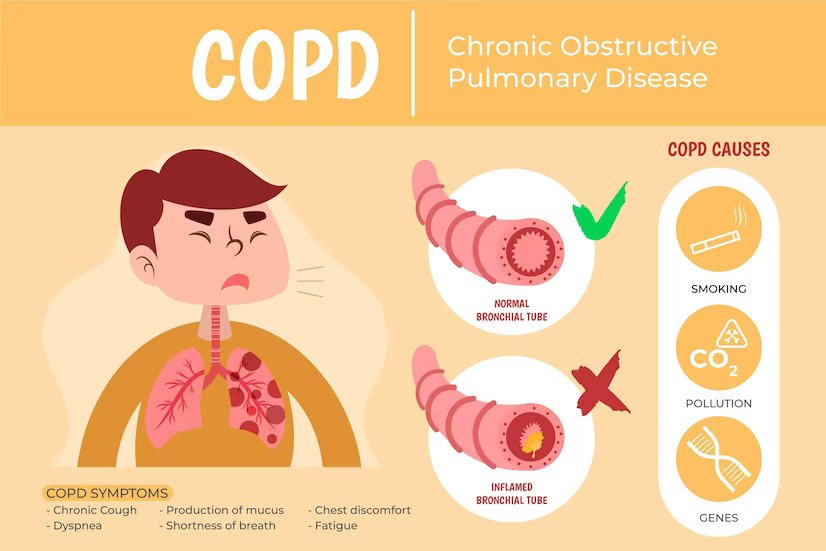
The most common causes and risk factors include:
- Long-term cigarette or pipe smoking (responsible for ~85% of COPD cases)
- Prolonged exposure to air pollutants, dust, and chemical fumes
- Repeated respiratory infections during childhood
- A rare genetic condition called Alpha-1 Antitrypsin Deficiency (AATD)
- Asthma that was poorly controlled over many years
COPD Symptoms: What to Watch For
COPD symptoms tend to develop slowly and worsen over time. Many people reach Stage 2 or Stage 3 before they realise something is seriously wrong. Here are the key warning signs:
Early-Stage Symptoms
- Persistent morning cough (often dismissed as a “smoker’s cough”)
- Shortness of breath during mild exertion (climbing stairs, walking briskly)
- Increased mucus or phlegm production
- Frequent respiratory infections (bronchitis, colds that linger)
Advanced-Stage Symptoms
- Severe breathlessness even at rest
- Bluish tinge to the lips or fingernails (cyanosis)
- Unexplained weight loss and fatigue
- Swelling in the ankles, feet, or legs (a sign the heart is under strain)
- Chest tightness or wheezing
The 4 Stages of COPD (GOLD Classification)
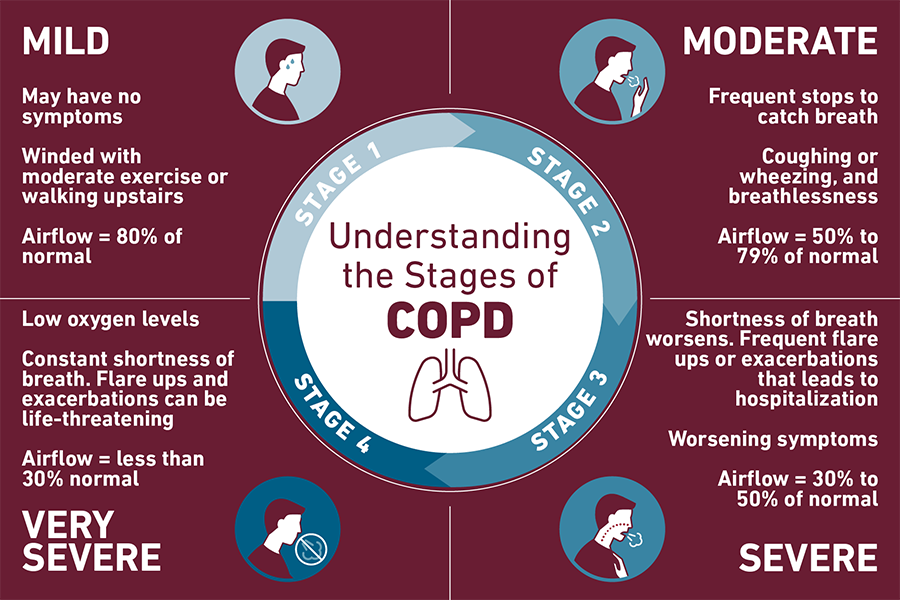
Doctors use the GOLD (Global Initiative for Chronic Obstructive Lung Disease) staging system to classify COPD severity based on spirometry test results:
- Stage 1 – Mild: Mild airflow limitation; most people have no symptoms.
- Stage 2 – Moderate: Worsening airflow; breathlessness on exertion.
- Stage 3 – Severe: Significantly reduced exercise tolerance; frequent exacerbations.
- Stage 4 – Very Severe: Severe limitations; quality of life is significantly impaired.
How Is COPD Diagnosed?
The primary diagnostic tool is spirometry — a simple breathing test that measures how much air you can exhale and how quickly. At RespiraSwiss, we also use:
- Chest X-rays and CT scans to visualise lung damage
- Arterial blood gas tests to assess oxygen levels
- Exercise tests to evaluate functional capacity
- Alpha-1 antitrypsin blood test (in selected cases)
COPD Treatment Options in 2026
While COPD cannot be fully reversed, the right treatment plan significantly slows progression, reduces symptoms, and improves quality of life. A modern COPD management plan typically includes:
1. Quit Smoking — The Single Most Important Step
Stopping smoking is the only intervention proven to slow COPD progression at any stage. Your pulmonologist can connect you with effective cessation support programmes.
2. Bronchodilator Medications (Inhalers)
Short-acting bronchodilators (SABAs/SAMAs) provide quick relief, while long-acting bronchodilators (LABAs/LAMAs) are taken daily to keep airways open. These are the cornerstone of COPD pharmacotherapy.
3. Pulmonary Rehabilitation
A structured programme combining supervised exercise, breathing techniques, nutritional advice, and psychological support. Studies consistently show it improves exercise tolerance and reduces hospital admissions.
4. Inhaled Corticosteroids (ICS)
Used in combination with long-acting bronchodilators in patients with frequent exacerbations or elevated blood eosinophil levels.
5. Oxygen Therapy
For patients with severe COPD and low blood oxygen levels, long-term oxygen therapy (LTOT) improves survival and reduces hospitalisations.
6. Vaccinations
Annual influenza and pneumococcal vaccines are strongly recommended for all COPD patients to prevent exacerbations triggered by respiratory infections.
7. Surgical & Interventional Options
In carefully selected patients, options include bronchoscopic lung volume reduction (BLVR) using endobronchial valves, or in rare cases, lung transplantation.
Living Well with COPD: Practical Tips
- Use your inhalers correctly — ask your doctor to check your technique
- Stay active: even gentle walking reduces hospitalisation risk
- Monitor your symptoms with a daily diary and act on worsening early
- Keep your living space well-ventilated and avoid indoor pollutants
- Eat a balanced diet rich in antioxidants to support lung function
- Join a COPD support group to connect with others managing the same condition
When Should You See a Pulmonologist?
If you experience persistent shortness of breath, a chronic cough, or reduced exercise tolerance — especially if you are or have been a smoker — don’t wait. Early diagnosis and treatment make a significant difference to long-term outcomes.