
The decision to stay home or go to hospital is one of the most consequential calls a patient — or their family — can make. Here’s how to get it right.
It starts with a cough. Then tightness in the chest. Then, at 11 p.m., the question that sends hundreds of thousands of people to emergency rooms every year — some unnecessarily, some not nearly soon enough:
“Do I need to go to the hospital right now, or is it safe to wait this out?”
There is no single answer that works for everyone. Respiratory illness spans an enormous range — from a mild cold that resolves in three days to acute respiratory failure that can be fatal within hours. The difference between a good outcome and a catastrophic one can hinge on making the right call at the right moment.
This guide is designed to give you a clear, clinically grounded framework for that decision: when home care is appropriate, when it isn’t, what warning signs demand immediate action, and how modern teleconsultation fits into the picture as a valuable middle ground.
Why Respiratory Symptoms Are Uniquely Tricky to Self-Assess
Most health problems give you gradual, interpretable signals. Respiratory conditions are different for several reasons:
Oxygen levels can be dangerously low before you feel it. The body’s perception of breathlessness is driven by rising carbon dioxide levels in the blood, not falling oxygen. This means a person’s oxygen saturation (SpO2) can drop significantly — to 88%, 85%, even lower — before they feel urgently short of breath. By the time discomfort becomes severe, a significant physiological crisis may already be underway.
Compensatory breathing masks severity. The body can compensate for reduced lung function by working harder to breathe — recruiting accessory muscles, increasing respiratory rate, adopting certain postures. This compensation can make a person look and feel “okay” while their body is working extremely hard just to maintain baseline oxygen delivery.
The trajectory matters more than the snapshot. A person with 92% oxygen saturation who was at 98% three hours ago is in a more dangerous situation than someone who has been stable at 92% for two weeks with known chronic disease. Rate of change is often more important than current status.
These nuances are exactly why respiratory decisions are harder than they appear — and why clinical judgment, not just symptom lists, is so important.
The Respiratory Illness Spectrum
Before addressing the home vs. hospital question, it helps to understand the landscape of respiratory conditions by severity:
Self-limiting illnesses that almost always resolve with home care: the common cold, mild seasonal allergies, early-stage viral upper respiratory tract infections.
Conditions that require clinical oversight but often don’t require hospitalization: mild-to-moderate asthma, early community-acquired pneumonia in otherwise healthy younger adults, acute bronchitis, mild COVID-19 in low-risk individuals.
Conditions that require hospital-level care: severe asthma exacerbations, moderate-to-severe pneumonia, COPD exacerbations with significant deterioration, pulmonary embolism, severe COVID-19, acute respiratory distress syndrome (ARDS).
Life-threatening emergencies: acute respiratory failure, anaphylaxis with bronchospasm, tension pneumothorax — these require emergency services, not just a hospital visit.
When Home Care Is Appropriate
Home management of respiratory illness is safe and appropriate when several conditions are met simultaneously — not just one or two.
The physiological baseline is stable
The most reliable indicator that home care is safe is stable, adequate oxygenation. If you have access to a pulse oximeter (an inexpensive and valuable household tool), an SpO2 reading consistently above 95% in a resting adult is reassuring. Readings between 94–95% warrant monitoring and likely teleconsultation. Below 94% at rest requires urgent assessment.
Beyond oxygen levels, assess:
- Breathing rate: resting adults breathe 12–20 times per minute. Rates above 25/minute suggest significant respiratory distress.
- Speech: can you speak full sentences without stopping to catch your breath? Difficulty completing sentences is a warning sign.
- Posture: if you or someone you’re observing is naturally leaning forward, gripping surfaces, or using their shoulders to breathe, these are signs of significant effort.
Symptoms are mild and on an expected trajectory
Home care is appropriate when symptoms fit a recognizable, mild pattern and are either stable or improving. A cold that peaked on day 2 and is gradually clearing by day 5 is on a normal trajectory. A cough that has been worsening for 10 days, especially one that has shifted from dry to productive or has been accompanied by fever, is not on a normal trajectory and warrants professional evaluation.
There are no high-risk background features
The same symptom can be low-risk in one person and high-risk in another. A mild wheeze in a 25-year-old with well-controlled asthma and their rescue inhaler on hand is manageable at home. The same wheeze in a 65-year-old with COPD and heart failure is not.
High-risk background features that lower the threshold for seeking care include:
- Age over 65 or under 2 years
- Pregnancy
- Existing lung disease (COPD, asthma, bronchiectasis, pulmonary fibrosis)
- Heart disease or heart failure
- Diabetes or immunosuppression (including those on steroids or chemotherapy)
- Obesity (BMI above 35)
- Active or recent smoking history
For people in any of these categories, the bar for self-managing respiratory symptoms at home should be significantly lower.
Effective Home Care: What Actually Helps
When home care is appropriate, the goal is to support recovery, prevent deterioration, and monitor for warning signs.
Rest — real rest
This sounds obvious, but rest is genuinely therapeutic. Sleep is when the immune system’s cytokine production peaks. Pushing through fatigue with respiratory illness prolongs illness duration and can worsen outcomes. This is particularly true in the first 3–5 days of a viral respiratory infection.
Hydration
Adequate hydration serves two purposes: it supports immune function broadly, and it helps keep mucus in the airways thin enough to be cleared effectively. Thick, stagnant secretions in the airways create a favorable environment for secondary bacterial infection. In practical terms, urine should be pale yellow — if it’s dark, fluid intake is inadequate.
Steam inhalation
Warm, moist air can temporarily relieve congestion and reduce the sensation of airway irritation. A bowl of hot water with a towel over the head, or a warm shower in an enclosed bathroom, can provide meaningful symptomatic relief. The mechanism is simple: moisture reduces the viscosity of secretions and soothes inflamed mucous membranes. It won’t cure anything, but it’s safe and genuinely helpful for comfort.
Using your prescribed medications correctly
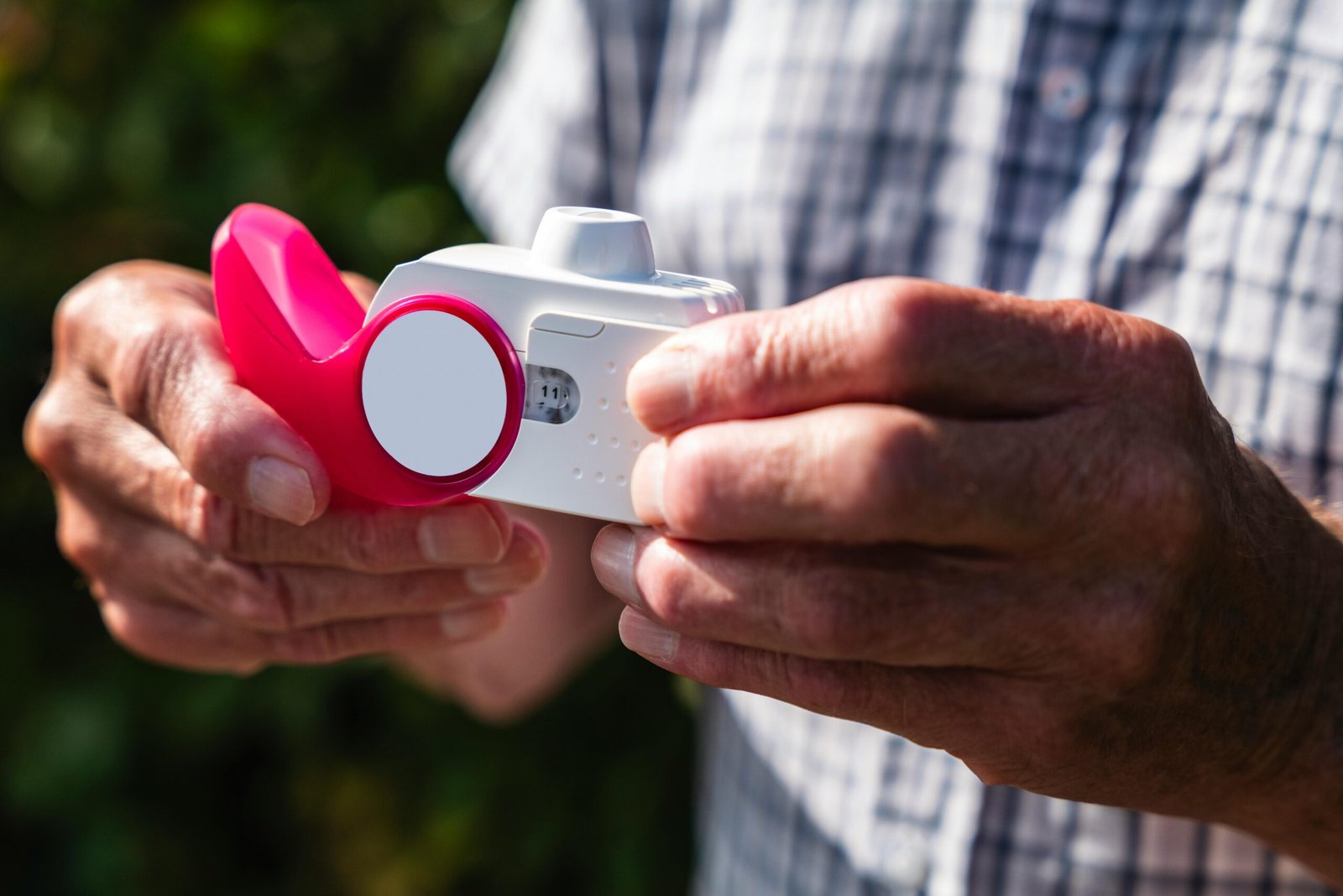
If you have prescribed inhalers, antihistamines, or respiratory medications, this is when proper use matters most. One of the most common and avoidable errors in asthma management, for example, is using a rescue bronchodilator (like salbutamol) as a long-term controller — or, conversely, stopping an inhaled corticosteroid during an episode because symptoms seem improved. Take prescribed medications as directed, and if you’re unsure whether your current treatment is adequate for your symptoms, consult your doctor before self-adjusting.
Indoor air quality management
This is particularly relevant in Indian urban environments, where outdoor PM2.5 levels routinely reach concentrations that are acutely harmful to anyone with respiratory disease. During periods of worsening symptoms, keep windows closed during high-pollution periods (typically morning and evening during winter, and after rainfall during monsoon season when biological particles are disturbed). If available, a HEPA air purifier meaningfully reduces indoor particle load. Avoid incense, agarbatti, mosquito coils, and cooking smoke in enclosed spaces — all of which produce particulate matter and volatile organic compounds that worsen airway inflammation.
Symptom tracking
In the home setting, tracking symptoms isn’t just reassuring — it’s clinically valuable. Note the date and time of symptom onset, any changes in character (dry cough becoming productive, fever resolving or spiking), SpO2 readings if monitored, and any medications taken. If you subsequently need to consult a doctor, this information allows them to assess trajectory rather than just current status, which substantially improves the quality of advice you receive.
When Home Care Becomes Dangerous
Home care is not a passive, risk-free default. Delaying appropriate medical care for respiratory illness is one of the leading drivers of preventable respiratory deaths, particularly in lower- and middle-income countries. The risks of under-treatment are at least as real as the inconvenience of over-treatment.
Conditions that are seemingly manageable at home can deteriorate rapidly. Pneumonia, for example, can progress from mild to life-threatening within 24–48 hours, particularly in older adults or those with comorbidities. COPD exacerbations can tip from manageable to requiring ventilatory support with surprisingly little warning. Asthma attacks that appear to be responding to rescue inhalers can suddenly worsen — what’s known as a “silent chest” is one of the most dangerous presentations in acute severe asthma, where air movement becomes so restricted that wheezing actually disappears.
The pattern of using home remedies, delaying consultation, and eventually presenting to emergency services in a severely deteriorated state is well-documented in Indian hospitals and contributes significantly to morbidity and mortality from respiratory disease.
Red Flags: When to Seek Hospital Care Immediately
Some symptoms are unambiguous indicators of emergency. If any of the following are present, do not wait, do not consult remotely, do not monitor at home:
Severe breathlessness at rest — unable to speak in full sentences, visible effort to breathe, accessory muscle use (neck, shoulder muscles working visibly), sitting upright because lying flat worsens breathing.
SpO2 below 92% at rest — particularly if falling or not responding to position change. Below 90% is a medical emergency.
Cyanosis — blue or grey discolouration of the lips, tongue, or fingertips. This indicates severely insufficient oxygen in the blood.
Altered consciousness — confusion, extreme agitation, drowsiness, or difficulty staying awake. These are signs that the brain is not receiving adequate oxygen.
Haemoptysis (coughing blood) — any significant amount of blood in sputum requires same-day medical evaluation.
Persistent fever above 39°C (102°F) that is not responding to antipyretics, particularly if accompanied by rigors (uncontrolled shaking) and respiratory symptoms. This pattern often indicates pneumonia or another serious infection.
Chest pain with breathing — pleuritic chest pain (sharp pain that worsens with deep breath or cough) can indicate pneumonia, pleuritis, or pulmonary embolism.
Rapid deterioration over hours — symptoms that are visibly and significantly worse over a period of a few hours, regardless of their absolute severity, require urgent evaluation.
What Hospital Care Provides That Home Cannot
Understanding what hospital-level care actually offers can help clarify why it’s sometimes irreplaceable.
Continuous monitoring.
In a hospital, oxygen saturation, heart rate, respiratory rate, and blood pressure are monitored continuously or at frequent intervals. Changes are detected before they become crises, and interventions can be made proactively.
Controlled oxygen delivery.
Supplemental oxygen at home is available in some contexts, but precise control of oxygen delivery — crucial in conditions like COPD where high-flow oxygen can suppress respiratory drive — requires clinical oversight and equipment not available outside a facility.
Nebulized and intravenous medications.
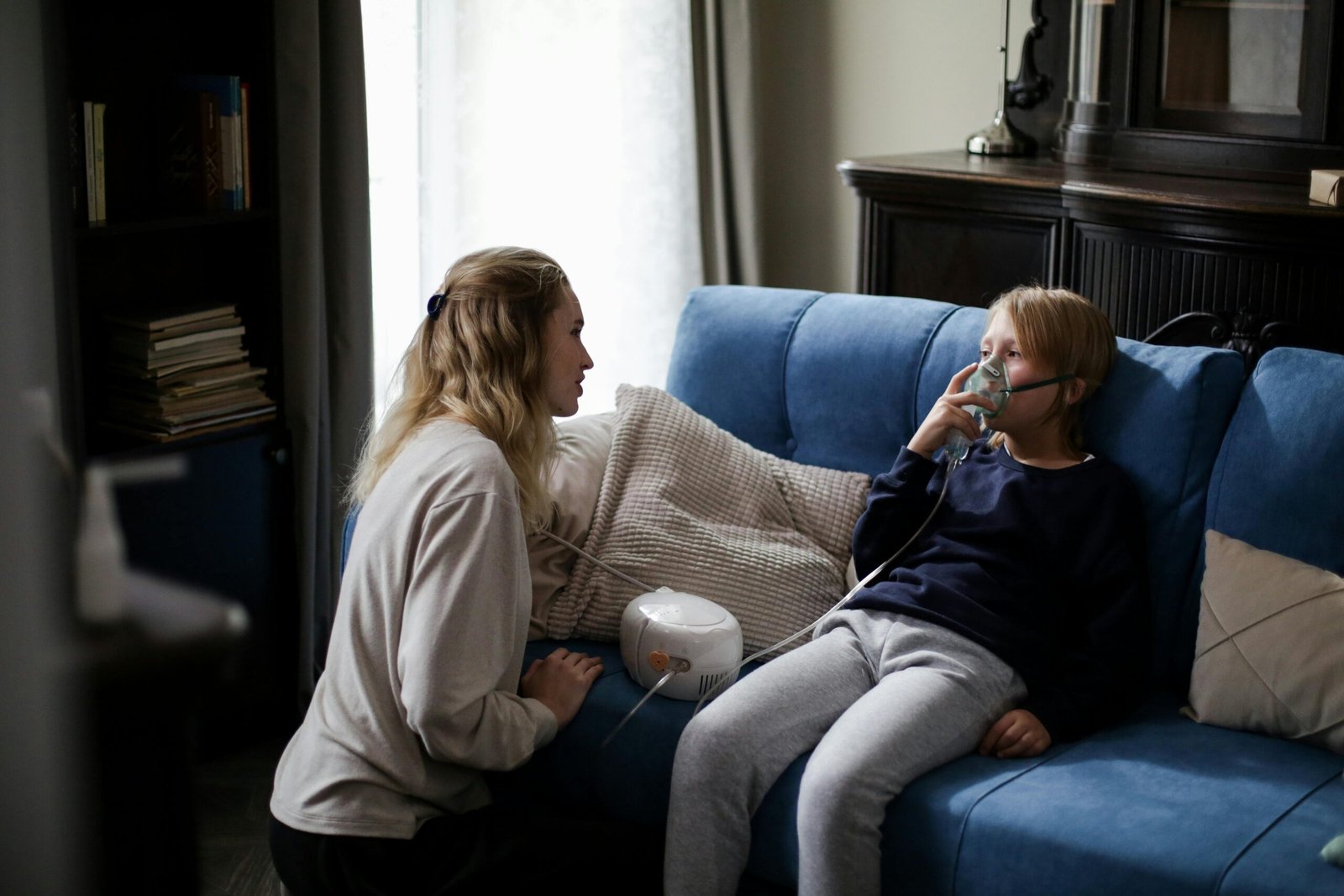
Some medications cannot be effectively delivered via standard inhalers during acute exacerbations, when breathing is too compromised to generate adequate inhalation. Nebulizers deliver medications via a fine mist with minimal patient effort. IV medications bypass the airway entirely, providing faster and more reliable drug delivery.
Diagnostics.
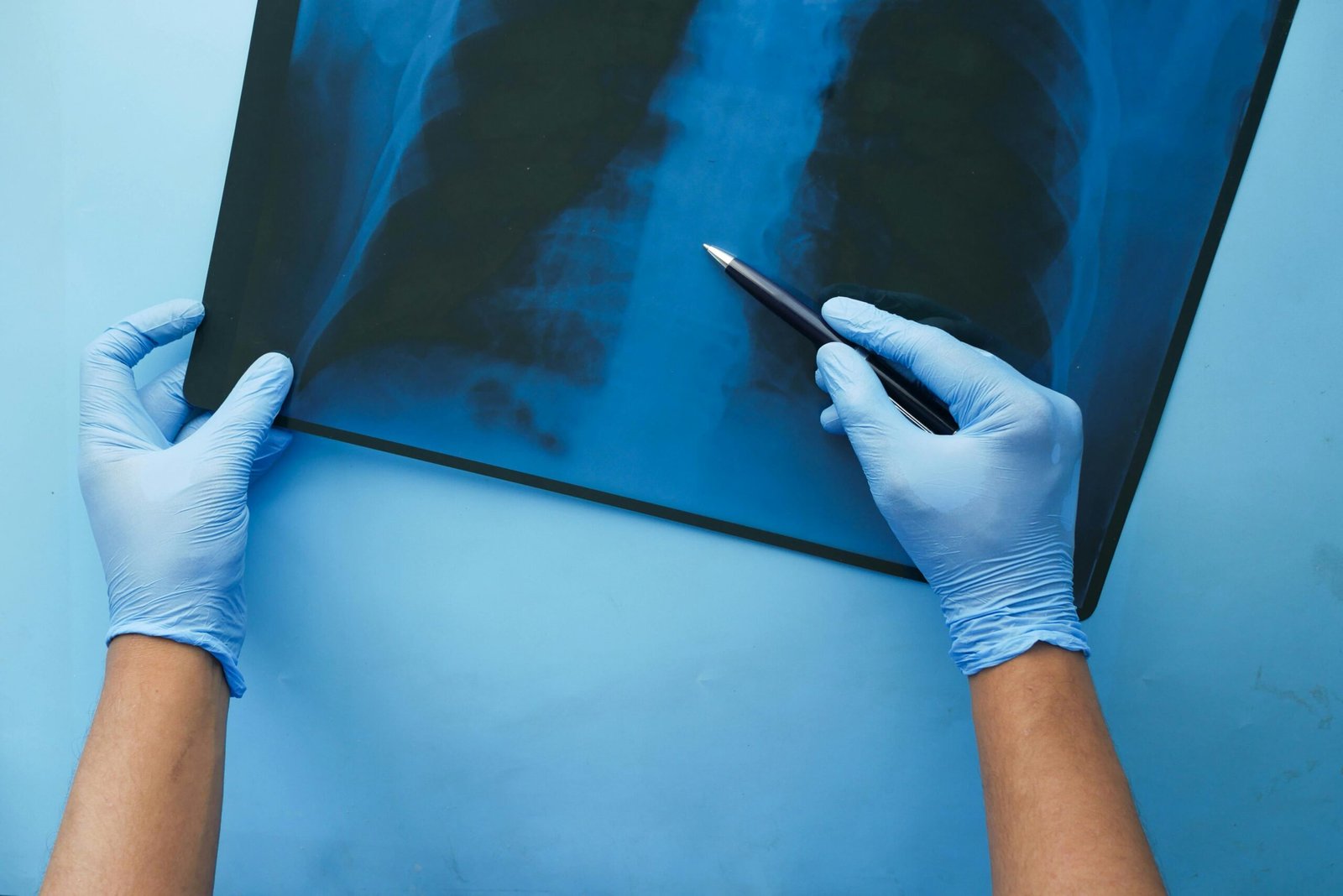
Blood oxygen measurement (arterial blood gas, or ABG) is the gold standard for respiratory assessment and cannot be approximated at home. Chest X-rays, CT pulmonary angiograms (to exclude pulmonary embolism), sputum cultures, and other diagnostics that guide treatment cannot be obtained at home.
Ventilatory support.
In the most severe cases, when the work of breathing becomes unsustainable, non-invasive ventilation (NIV/BiPAP) or invasive mechanical ventilation can take over the work of breathing and keep a patient alive while the underlying condition is treated. This is the intervention that bridges the gap between respiratory failure and recovery.
The Role of Teleconsultation: A Clinically Valid Middle Ground
Online consultation with a pulmonologist — properly conducted — is not a compromise or a convenience shortcut. For many respiratory presentations, it is genuinely the most appropriate first step.
A skilled teleconsultation can accomplish more than people typically appreciate:
Clinical history and risk stratification.
The most important determinant of respiratory risk is not a single number or symptom but a comprehensive picture: the nature and progression of symptoms, the patient’s background health status, medication history, and any precipitating factors. All of this can be gathered via video or structured online consultation, enabling a clinician to stratify risk accurately — often identifying low-risk presentations that can be safely managed at home with specific guidance, and high-risk presentations that require immediate in-person assessment.
Objective data integration.
With a pulse oximeter and thermometer, patients can provide real physiological data during teleconsultation — oxygen saturation, heart rate, temperature, respiratory rate (which can be counted visually). This transforms teleconsultation from a purely subjective conversation into a semi-objective clinical encounter.
Visual assessment.
A video consultation allows the clinician to observe the patient’s breathing pattern, speech fluency, colour, and general appearance — all of which carry clinical information that a phone call cannot provide.
Early treatment initiation.
Prescribed medications — inhalers, short courses of steroids, antibiotics when appropriate — can often be initiated based on teleconsultation, starting treatment before any further deterioration occurs. For conditions like mild pneumonia or moderate asthma exacerbation in low-risk patients, this early treatment can prevent hospitalization entirely.
Clear decision points.
A good teleconsultation ends not just with a management plan but with specific, personalized criteria: “If your oxygen drops below 94%, if your breathing worsens despite the inhaler, or if you develop fever above 39°C, go to the emergency department immediately.” This clarity is more valuable than generic advice.
The key limitation of teleconsultation is what it cannot do: physical examination, auscultation of the lungs, immediate blood tests, and in-person diagnostics. For presentations where these are essential, teleconsultation should be used to arrange expedited in-person assessment, not to replace it.
Home vs. Hospital: A Framework for Decision-Making
Rather than a simple table, think of this as a tiered decision framework:
Tier 1 — Safe to manage at home with self-monitoring:
Mild symptoms, stable SpO2 above 95%, no high-risk background features, symptoms on expected improving trajectory. Self-care measures with symptom tracking.
Tier 2 — Requires teleconsultation before home management continues:
Moderate symptoms, SpO2 94–96% and fluctuating, any high-risk background feature, symptoms not improving after 3–5 days, uncertain diagnosis. A clinician needs to assess and provide a personalised plan.
Tier 3 — Requires same-day in-person assessment:
SpO2 consistently below 94%, symptoms significantly worsening, fever not responding to treatment after 48 hours, productive cough with coloured sputum worsening rather than improving, second week of illness with no improvement. Urgent GP or outpatient clinic visit, or teleconsultation directing to urgent care.
Tier 4 — Emergency: call for help or go immediately:
Any of the red flags listed above. Do not wait.
India-Specific Context: Why the Stakes Are Higher
The decision between home and hospital care plays out against a backdrop that is particularly challenging in India.
Air pollution accelerates deterioration.
In cities like Delhi, Kolkata, and Mumbai, PM2.5 concentrations during peak pollution seasons can reach 20–40 times WHO guidelines. For someone already managing a respiratory illness, breathing this air is equivalent to continuing to smoke heavily while trying to recover. This is why respiratory symptoms that might resolve in 5–7 days for someone in a low-pollution environment can take significantly longer in an Indian urban setting — or worsen rather than improve.
Access to emergency care is uneven.
In many parts of India, getting to a hospital equipped for serious respiratory management is not a 10-minute drive. This geography makes early identification of deteriorating cases — and the role of teleconsultation in buying time and directing appropriate care — even more important.
Antibiotic self-medication is widespread.
India carries one of the world’s highest rates of antibiotic self-medication for respiratory illness. Most acute respiratory infections are viral — antibiotics do nothing for them. Repeated antibiotic courses without clinical indication contribute to resistance, disrupt the gut and respiratory microbiome, and can cause adverse effects — without providing any therapeutic benefit.
Pulse oximeters became common during COVID-19 — use them.
One lasting positive from the COVID-19 pandemic in India is that pulse oximeters became widely available and many households now own one. If you have one, use it. For anyone with respiratory symptoms, SpO2 monitoring provides real, actionable data. Below 95% at rest is a prompt for professional assessment. Below 92% is urgent.
Common Errors That Lead to Poor Outcomes
Treating worsening symptoms as a normal part of illness.
The expectation that “it’ll get worse before it gets better” is true for some conditions, to a degree. It is not a blank cheque to normalize progressively worsening breathlessness.
Stopping prescribed medications when symptoms improve.
This is particularly common with inhaled corticosteroids in asthma and courses of treatment for bacterial infections. Stopping early because you feel better removes the medication precisely when it’s completing the most important part of its work.
Using someone else’s prescription.
Borrowing antibiotics, steroids, or inhalers from family members is extremely common in India and carries real risks — wrong drug, wrong dose, masking symptoms of a serious condition, or creating false reassurance.
Waiting for a “convenient” time to seek care.
Respiratory conditions, particularly infections, do not wait for morning or for a weekday. A patient who deteriorates overnight and waits until morning to seek care may arrive at a hospital in a significantly more serious state than if they had presented 6–8 hours earlier.
Dismissing breathlessness in elderly relatives.
Older adults often underreport symptoms and may describe significant breathlessness as “just tiredness” or attribute it to age. Family members and caregivers should pay attention to objective signs — respiratory rate, ability to speak in sentences, colour — rather than relying solely on a patient’s own report of how they feel.
Prevention: Keeping Respiratory Illness from Escalating
Many respiratory emergencies are predictable and preventable.
Vaccinations are among the most effective respiratory health interventions available. The annual influenza vaccine, pneumococcal vaccine (especially for adults over 65 and those with chronic illness), and COVID-19 vaccinations all reduce the risk of severe respiratory illness. In India, uptake of these vaccines remains lower than optimal — partly due to cost, partly due to limited awareness of their impact on respiratory disease specifically.
Smoking cessation remains the single highest-impact intervention for anyone with respiratory disease or at risk of it. No medication or supplement comes close to the magnitude of benefit from stopping smoking. This includes bidis, hookahs, and passive smoke exposure.
Indoor air quality management — particularly reducing biomass fuel cooking smoke through improved stoves or fuel switching — has the potential to substantially reduce the respiratory disease burden in rural India, where women and children are disproportionately affected.
Early treatment of respiratory infections before they progress is the consistent recommendation from pulmonologists worldwide. The instinct to “wait and see” is understandable, but in respiratory illness, waiting has costs. A teleconsultation at the start of a worsening illness can identify patients who need early treatment and prevent the progression to hospital admission.
Frequently Asked Questions
Q1: Can I treat breathing problems at home?
Yes, when symptoms are mild, oxygen saturation is stable above 95%, and there are no high-risk background features. But “treating at home” should mean active monitoring and symptom-appropriate measures — not passive waiting. If symptoms are not improving within 3–5 days, or if any warning signs develop, professional assessment is needed.
Q2: My pulse oximeter reads 93%. Should I go to the hospital?
Not necessarily immediately, but this reading warrants same-day professional assessment — either via teleconsultation with a pulmonologist or an urgent in-person visit. 93% is below normal (95–100%) and the key questions are: is this stable, falling, or rising? What does it fall to with activity? Is there any breathlessness at rest? These questions require clinical judgment to interpret.
Q3: Is teleconsultation reliable for respiratory issues?
For assessment, risk stratification, early treatment, and monitoring, yes — it is a clinically valid approach for many presentations. A skilled pulmonologist can gather significant clinical information via video consultation, including visual assessment of breathing pattern and integration of objective data like SpO2 readings. Its limitations are the inability to perform physical examination, auscultation, or immediate diagnostics — which is why teleconsultation should direct patients to in-person care when these are needed.
Q4: When is it too late for home treatment?
If any of the following are present, it’s already past the home-treatment decision: SpO2 below 92%, severe breathlessness at rest, cyanosis, confusion or altered consciousness, or symptoms that have been worsening rapidly over hours. These require immediate emergency care.
Q5: Are home remedies like steam, honey, and ginger actually helpful?
Some, to a limited degree. Steam inhalation provides genuine symptomatic relief for congestion and airway irritation. Honey has modest evidence-supported antitussive (cough-suppressing) properties — comparable to some over-the-counter cough medicines for mild cough. Ginger has anti-inflammatory properties but evidence for clinical respiratory benefit is limited. These remedies are safe adjuncts to, not replacements for, appropriate medical management.
Q6: Can a child with respiratory symptoms be managed at home?
Children — especially under age 2 — should have a much lower threshold for professional assessment with respiratory symptoms. Children can deteriorate faster than adults, and respiratory distress in children can be harder to recognize (grunting, nasal flaring, subcostal recession, and unusual quietness can all be signs). If in doubt with a child, consult a clinician promptly.
Conclusion: The Right Decision Is an Informed One
Respiratory illness does not respect simplistic rules. It doesn’t always announce its severity clearly, it can progress without warning, and the same symptoms can mean very different things in different people.
The goal of this guide is not to make you more anxious about respiratory symptoms — it’s to make you more calibrated. Home care is genuinely appropriate and safe for a significant portion of respiratory illness, and unnecessary hospitalization has its own costs and risks. But the line between manageable and serious is real, it matters, and it shifts depending on who you are and what’s already happening inside your airways.
If you are uncertain, consult early. A specialist who can assess your specific situation — remotely or in person — is always more reliable than a symptom checklist.
Book a consultation with RespiraSwiss for expert, personalized guidance on your respiratory health — whether you need a same-day assessment, a second opinion, or an ongoing management plan.