Recovering from a viral illness can feel like a long, uphill climb. Many people find that their lung health does not return to normal immediately after the infection clears. This is where Post-COVID Respiratory Rehabilitation becomes a vital step in your healing journey.
By focusing on structured exercises and expert guidance, you can regain your physical strength. Proper respiratory support plays a key role in helping your body heal effectively. It ensures that you have the tools needed to improve your lung capacity and overall stamina.
Our guide offers a clear path to help you navigate your COVID-19 recovery with confidence. We provide strategies that make your return to daily life safer and more manageable. Understanding these steps is essential for anyone looking to restore their well-being after a difficult COVID-19 recovery process. With the right respiratory support, you can move forward toward a healthier future.
Key Takeaways
- Prioritize structured lung exercises to regain physical strength.
- Seek professional guidance to ensure a safe healing process.
- Monitor your progress to manage fatigue effectively.
- Focus on consistent habits to improve your lung capacity.
- Stay patient as your body restores its natural balance.
Understanding the Long-Term Impact of COVID-19 on Lung Health
Many people in India are discovering that the journey to full health continues long after the virus leaves their system. While the initial infection might be over, your lung health often requires ongoing attention to ensure a complete return to your daily activities. Recognizing these lingering effects is the first step toward building an effective recovery plan.

Common Respiratory Symptoms After Recovery
Even after testing negative, you might notice that your breathing does not feel quite like it used to. Many individuals report persistent respiratory symptoms that can be both frustrating and concerning during their daily routines.
Common signs include a dry, nagging cough that refuses to go away or a feeling of tightness in the chest. You may also experience shortness of breath during simple tasks like climbing stairs or walking to the market. These respiratory symptoms are your body’s way of signaling that it needs more time and support to heal properly.
Why Lung Capacity Diminishes Post-Infection
It is natural to wonder why your stamina feels lower than it was before you got sick. The virus often triggers significant inflammation within the delicate tissues of the lungs, which can temporarily reduce your overall lung capacity.
In more severe cases, the body’s natural repair process can lead to pulmonary fibrosis. This condition involves the formation of scar tissue as the lungs attempt to heal from intense injury. When this scarring occurs, the lungs become less flexible, making it harder for them to expand and take in oxygen efficiently. Understanding that this reduction in lung capacity is a physiological response helps you approach your recovery with patience and the right medical guidance.
The Role of Post-COVID Respiratory Rehabilitation in Recovery
If you are struggling to regain your strength after a viral infection, understanding the power of specialized therapy is your first step forward. Many individuals face lingering challenges that make daily tasks feel overwhelming. Post-COVID Respiratory Rehabilitation serves as a vital bridge between the acute phase of illness and your return to a normal, active lifestyle.

Defining Pulmonary Rehabilitation
At its core, pulmonary rehabilitation is a comprehensive program designed to improve the physical and emotional well-being of people with chronic lung conditions. Because the virus often impacts multiple systems in the body, this therapy is best conducted by a multidisciplinary team. This team typically includes doctors, physiotherapists, and nutritionists who work together to create a personalized plan for your specific needs.
“Recovery is not merely the absence of symptoms; it is the active restoration of function through guided, evidence-based support.”
How Structured Therapy Accelerates Healing
Engaging in a structured program during your COVID-19 recovery helps you regain lung capacity and muscle strength much faster than resting alone. By following a professional regimen, you avoid the common pitfalls of overexertion or inactivity. The following table outlines why a structured approach is superior to self-managed recovery.
| Feature | Self-Managed Recovery | Structured Rehabilitation |
|---|---|---|
| Monitoring | None or inconsistent | Professional oversight |
| Exercise Plan | Random, often risky | Tailored, safe intensity |
| Multidisciplinary | Limited to one area | Holistic, system-wide |
| Outcome | Slow, unpredictable | Faster, measurable gains |
Structured therapy provides the safety and precision required to push your limits without causing further strain. By focusing on controlled breathing and gradual movement, you ensure that your body heals efficiently. This professional guidance is essential for anyone seeking to reclaim their pre-COVID vitality in India.
Assessing Your Need for Professional Respiratory Support
Knowing when to seek expert medical guidance can make a world of difference in your long-term respiratory health. While many people recover on their own, some individuals require professional respiratory support to regain their full lung capacity. Understanding your body’s signals is the first step toward a safer and more effective recovery process.

Identifying Red Flags and Warning Signs
It is important to stay vigilant during your recovery period. You should watch for persistent breathlessness, especially during light activities that you previously handled with ease. Another critical indicator is a noticeable drop in your oxygen saturation levels, which can be tracked using a pulse oximeter at home.
Clinical research highlights that specific factors can predict ongoing lung issues. For instance, a PaO2/FiO2 ratio below 324 combined with a BMI of 33 kg/m2 or higher are known predictors of persistent impairment. Do not ignore these signs if they continue to impact your daily life.
“The greatest wealth is health, and taking proactive steps to monitor your recovery is an investment in your future well-being.”
When to Consult a Pulmonologist in India
If you find that your symptoms are not improving, it is time to reach out to a specialist. Visiting a post-COVID clinic in your city can provide you with a structured assessment tailored to your specific needs. These clinics are equipped to handle the unique challenges left behind by the virus.
You should consider booking an appointment with a pulmonologist if you experience chest pain, a chronic cough, or if your oxygen saturation remains unstable. Early intervention at a post-COVID clinic often leads to a much better prognosis. Remember, seeking respiratory support is a sign of strength, not weakness, as you work toward reclaiming your vitality.
Breathing Exercises to Improve Lung Function
Regaining your strength after an illness often starts with learning how to breathe more efficiently. Targeted breathing exercises serve as fundamental tools for anyone looking to reclaim their vitality and improve their overall lung function. By dedicating a few minutes each day to these practices, you can gradually build endurance and support your body’s natural healing process.

Diaphragmatic Breathing Techniques
Often called belly breathing, this technique encourages the use of the diaphragm rather than the chest muscles. To begin, place one hand on your chest and the other on your abdomen. As you inhale slowly through your nose, focus on making your stomach rise while keeping your chest still.
This method is highly effective for increasing your lung capacity because it allows for deeper, more efficient air exchange. Consistency is key when practicing this, as it helps retrain your body to use the most powerful muscle in your respiratory system.
Pursed-Lip Breathing for Breathlessness
When you feel short of breath, this simple technique can provide immediate relief. Pursed-lip breathing helps manage breathlessness by keeping your airways open longer, which improves overall lung function during physical activity.
To perform this, inhale slowly through your nose for two counts. Then, pucker your lips as if you are about to whistle and exhale gently for four counts. This controlled release of air is a proven way to reduce the sensation of panic often associated with respiratory discomfort.
Thoracic Expansion Exercises
These movements focus on stretching the chest wall to allow for fuller breaths. By gently expanding your rib cage, you can work toward restoring your full lung capacity over time.
Try sitting upright and reaching your arms toward the ceiling while taking a slow, deep breath. As you lower your arms, exhale completely. Incorporating these breathing exercises into your daily routine will help you regain control over your breath and support long-term recovery.
Physical Activity and Gradual Reconditioning
Embarking on a journey of physical reconditioning is a vital step in reclaiming your health after a respiratory illness. While rest is essential during the acute phase, prolonged inactivity can lead to muscle weakness and decreased stamina. A structured approach helps you regain your strength without overwhelming your body.

The Importance of Low-Impact Aerobic Exercise
Low-impact aerobic activities are the cornerstone of a safe recovery plan. These exercises allow your heart and lungs to adapt to increased demand without causing excessive strain. Consistency is far more important than intensity during these early stages of healing.
Activities such as gentle walking, stationary cycling, or light stretching are excellent starting points. By choosing movements that do not put undue stress on your joints or respiratory system, you can effectively manage post-COVID fatigue. Always listen to your body and stop if you feel lightheaded or overly breathless.
Creating a Sustainable Daily Movement Routine
Building a sustainable routine requires a balance between activity and necessary recovery time. You should aim to incorporate short, manageable bursts of movement throughout your day rather than one long, exhausting session. This method helps you maintain energy levels while slowly increasing your functional capacity.
Start by setting small, achievable goals, such as a ten-minute walk in the morning and another in the evening. Over time, you can gradually increase the duration or frequency of these sessions as your stamina improves. Tracking your progress can be a great motivator, helping you see how far you have come in overcoming post-COVID fatigue. Remember that recovery is a marathon, not a sprint, and your dedication to this process will lead to lasting improvements in your daily life.
Nutritional Support for Respiratory Health
What you put on your plate can significantly influence how quickly your lungs heal after a viral infection. Proper nutrition acts as the foundation for rebuilding your strength and supporting your immune system during the post-recovery phase. By making intentional choices, you can provide your body with the essential tools it needs to repair damaged tissues.
Anti-Inflammatory Foods for Lung Recovery
Systemic inflammation often lingers long after the initial infection has passed, making it harder for your lungs to function at their best. Incorporating anti-inflammatory foods into your daily meals is a powerful way to manage this burden. These nutrient-dense options help calm the body’s stress response and promote faster healing.
Focus on adding colorful vegetables, fatty fish rich in omega-3s, and antioxidant-packed berries to your diet. Spices like turmeric and ginger, commonly found in Indian kitchens, are also excellent for reducing internal swelling. Consistency is key when using food as medicine to support your respiratory system.
Hydration and Its Role in Mucus Clearance
Staying well-hydrated is just as important as eating the right foods when you are recovering from a respiratory illness. Water plays a critical role in maintaining the health of your airways by keeping the mucosal lining thin and manageable. When you are properly hydrated, your body can clear mucus more effectively, which reduces the feeling of congestion.
Aim to drink fluids throughout the day rather than waiting until you feel thirsty. Warm liquids, such as herbal teas or clear broths, can be particularly soothing for the throat and chest. This simple habit ensures that your respiratory passages remain clear and functional as you regain your stamina.
| Nutrient Category | Key Benefits | Recommended Sources |
|---|---|---|
| Omega-3 Fatty Acids | Reduces systemic inflammation | Walnuts, flaxseeds, fatty fish |
| Antioxidants | Protects lung tissue cells | Berries, spinach, colorful peppers |
| Hydration Fluids | Facilitates mucus clearance | Water, herbal tea, coconut water |
| Anti-inflammatory Spices | Lowers oxidative stress | Turmeric, ginger, garlic |
Managing Fatigue and Energy Conservation
Dealing with persistent exhaustion after a viral illness requires a shift in how you approach your daily routine. Many survivors struggle with post-COVID fatigue, which can make even simple chores feel like climbing a mountain. By adopting smarter habits, you can protect your energy and support your long-term health.
Pacing Strategies for Daily Tasks
Pacing is the art of spreading your activities throughout the day to avoid a total energy crash. Instead of trying to finish all your housework at once, break tasks into smaller, manageable segments. Consistency is far more important than intensity when you are working toward physical reconditioning.
Prioritize your most important tasks for the time of day when you feel most alert. If you find yourself getting tired, stop immediately and rest before you reach the point of total exhaustion. This proactive approach prevents the “boom and bust” cycle that often delays recovery.
“Recovery is not a race; it is a steady, deliberate journey that requires listening to the signals your body sends you every single day.”
Balancing Rest and Activity Cycles
Finding the right balance between movement and rest is essential for your healing process. You should view rest not as a sign of weakness, but as a vital tool for your recovery. Integrating short, frequent breaks into your schedule helps maintain your stamina without overtaxing your lungs or heart.
Use the following table to organize your daily energy expenditure effectively:
| Activity Level | Recommended Action | Goal |
|---|---|---|
| High Energy | Perform essential tasks | Efficiency |
| Moderate Energy | Light movement or walking | Physical reconditioning |
| Low Energy | Rest and deep breathing | Energy conservation |
Always remember that your path to wellness is unique. By monitoring your post-COVID fatigue levels and adjusting your activity accordingly, you create a sustainable environment for your body to heal. Stay patient, stay consistent, and celebrate the small victories as you regain your strength.
Mental Well-being and Its Connection to Breathing
Many people overlook the deep connection between emotional well-being and respiratory function during recovery. When you are healing from a respiratory illness, your body remains in a state of high alert. This physiological stress often manifests as emotional fatigue, which can directly influence how you perceive your own breathing.
A holistic approach to recovery acknowledges that the mind and lungs work in tandem. By nurturing your mental health, you create a stable foundation for your physical healing process. Prioritizing your inner peace is not just a luxury; it is a fundamental part of regaining your full respiratory capacity.
Addressing Anxiety-Induced Breathlessness
Anxiety and depression are common sequelae that often follow a significant health challenge. These feelings can create a cycle where the fear of breathlessness actually triggers more intense symptoms. When you feel anxious, your chest muscles may tighten, making it harder to take deep, restorative breaths.
It is important to recognize that this sensation is often a psychological response rather than a sign of worsening lung damage. Learning to identify these moments of anxiety allows you to intervene before they escalate. By staying calm, you can prevent the unnecessary strain that panic places on your respiratory system.
Mindfulness and Meditation for Respiratory Control
Mindfulness serves as a powerful tool to help you regain control over your breathing patterns. Through consistent practice, you can train your nervous system to shift from a “fight or flight” state to a state of rest and recovery. This shift is essential for lowering your heart rate and allowing your lungs to function more efficiently.
Meditation does not require special equipment or hours of your time. Even five minutes of focused, rhythmic breathing can significantly reduce the perception of breathlessness. Consider the following table to understand how different triggers affect your breathing experience:
| Trigger Type | Primary Symptom | Recommended Action |
|---|---|---|
| Physical Exertion | Shortness of breath | Paced movement |
| Anxiety/Stress | Chest tightness | Mindful breathing |
| Environmental | Coughing or wheezing | Air quality control |
| Emotional Fatigue | Rapid, shallow breaths | Guided meditation |
Integrating these simple techniques into your daily routine fosters a sense of empowerment. You are not just a patient; you are an active participant in your own healing journey. Stay patient with yourself as you navigate the ups and downs of your recovery, knowing that a calm mind is your greatest ally.
Home-Based Equipment and Tools for Recovery
You can take control of your lung health by utilizing simple yet effective monitoring tools at home. These devices provide valuable data that helps you track your progress while offering peace of mind during your recovery journey. By integrating these tools into your daily routine, you become an active participant in your own healing process.
Using Incentive Spirometers Safely
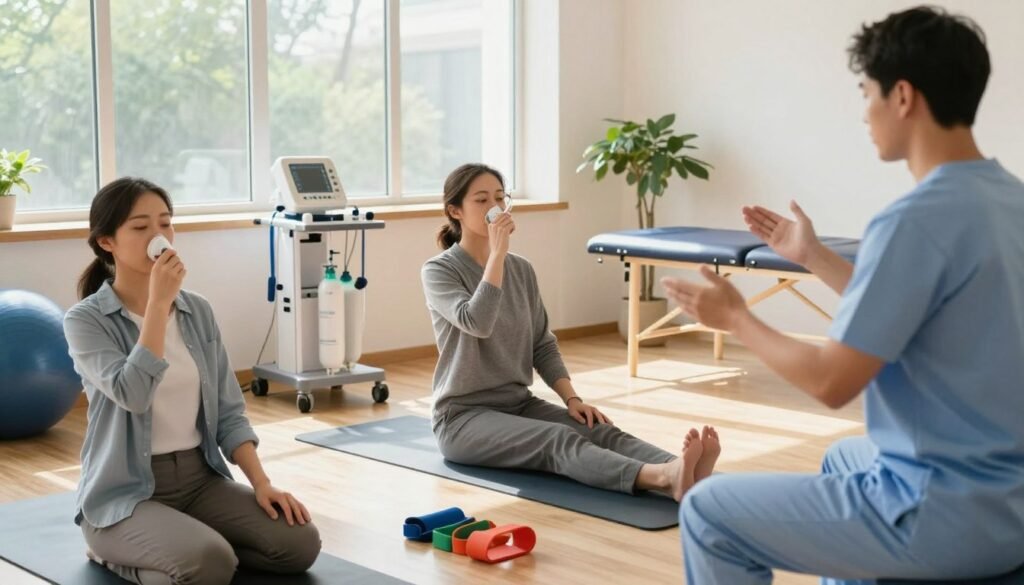
An incentive spirometer is a handheld device designed to help you keep your lungs active and healthy. It encourages you to take slow, deep breaths, which is essential for expanding your lung volume after a respiratory illness. When you perform these breathing exercises, you prevent the collapse of small air sacs in your lungs.
To use the device safely, sit upright and place the mouthpiece firmly between your lips. Inhale slowly and deeply to raise the indicator to your target level, then hold your breath for a few seconds before exhaling. Always follow the specific instructions provided by your doctor to avoid overexertion or dizziness.
Monitoring Oxygen Levels with Pulse Oximeters
A pulse oximeter is a small, non-invasive device that clips onto your fingertip to measure your oxygen saturation levels. It provides a quick reading of how well your heart and lungs are delivering oxygen to the rest of your body. Keeping a log of these readings can help you identify trends and share accurate information with your healthcare provider.
If you notice your oxygen saturation dropping consistently below your target range, contact your doctor immediately. It is important to ensure your hands are warm and free of nail polish for the most accurate results. Using this tool alongside your regular breathing exercises ensures you stay within a safe and healthy range throughout your recovery.
| Tool Name | Primary Function | Key Benefit | Frequency |
|---|---|---|---|
| Incentive Spirometer | Lung expansion | Improves capacity | Daily sessions |
| Pulse Oximeter | Oxygen tracking | Safety monitoring | As needed |
| Recovery Log | Data recording | Progress tracking | Daily |
Navigating Healthcare Resources in India
Navigating the complex healthcare landscape in India can feel overwhelming, but specialized resources are here to help. You deserve a clear path toward regaining your lung strength and overall vitality. By connecting with the right professionals, you can ensure your recovery is both safe and effective.
Accessing Specialized Post-COVID Clinics
Many leading hospital networks across India have established a dedicated post-COVID clinic to address the lingering effects of the virus. These facilities provide a multidisciplinary approach, bringing together pulmonologists, physiotherapists, and nutritionists under one roof. This team-based strategy ensures that every aspect of your respiratory health receives expert attention.
When choosing a facility, look for centers that offer comprehensive pulmonary function testing and personalized recovery plans. Consistency is the key to success when working with these specialists. Consider the following steps to get started:
- Research hospitals in your city that offer dedicated respiratory rehabilitation programs.
- Schedule an initial assessment to establish your baseline lung capacity.
- Follow the personalized exercise and nutritional guidelines provided by your care team.
“Recovery is not a sprint, but a steady climb toward better health. With the right guidance, every breath becomes easier.”
Tele-Rehabilitation Options for Remote Patients
For those living in areas with limited access to major medical centers, telerehabilitation has become a game-changer. This digital approach allows you to receive high-quality care from the comfort of your home. It effectively removes the barriers of distance and travel fatigue.
Beyond convenience, telerehabilitation offers a significant safety advantage by reducing the risk of exposure to other infections. You can engage in guided breathing exercises and physical reconditioning while remaining in a controlled environment. This modern post-COVID clinic alternative ensures that you stay on track with your recovery goals, regardless of your location.
Common Myths About Post-COVID Lung Recovery
Navigating the path to recovery after a viral infection can feel overwhelming, especially with so much conflicting advice circulating online. Many patients feel anxious about their long-term lung health, often falling prey to misinformation that can hinder their progress. It is essential to separate medical facts from common myths to ensure you are on the right track.
Debunking Misconceptions About Lung Damage
A frequent fear among patients is that any respiratory discomfort automatically signals permanent pulmonary fibrosis. While severe cases can lead to scarring, many people experience temporary inflammation that improves significantly with time and proper care.
Your lungs possess a remarkable ability to heal and adapt. By engaging in consistent, evidence-based practices, you can support your body’s natural repair mechanisms. Do not let the fear of permanent damage prevent you from taking proactive steps toward better breathing.
- Myth: Lung damage from COVID-19 is always permanent.
- Fact: Many respiratory issues are reversible through targeted therapy and time.
- Myth: You should avoid exercise if you feel short of breath.
- Fact: Controlled, low-impact movement is often necessary to rebuild stamina.
Why Quick Fixes Do Not Replace Rehabilitation
In our fast-paced world, it is tempting to look for “miracle” supplements or rapid treatments to restore lung health. However, there is no shortcut to recovery. True healing requires a structured, long-term commitment to pulmonary rehabilitation.
These programs provide the professional guidance needed to safely increase your activity levels. Relying on unverified quick fixes often leads to frustration and may even delay your recovery. Instead, focus on the proven benefits of a supervised pulmonary rehabilitation plan.
| Approach | Effectiveness | Risk Level |
|---|---|---|
| Quick Fixes | Low/Temporary | High |
| Structured Rehab | High/Lasting | Low |
| Ignoring Symptoms | None | Very High |
Ultimately, your journey toward better pulmonary fibrosis management and overall respiratory strength is a marathon, not a sprint. Trust in the process of pulmonary rehabilitation to help you regain your quality of life. Your dedication to a structured routine is the most powerful tool you have for lasting recovery.
Conclusion
Regaining your health after a viral illness is a personal journey that demands a steady, multidisciplinary approach. You possess the power to restore your lung function by committing to small, daily changes that support your body’s natural healing rhythm.
Engaging in a structured Post-COVID Respiratory Rehabilitation program provides the framework you need to thrive. These evidence-based practices help you regain stamina while protecting your long-term wellness. Every deep breath you take during your exercises marks a step toward reclaiming your active lifestyle.
Patience remains your most valuable tool as you navigate this recovery phase. Focus on consistent progress rather than immediate results to ensure your lung function improves safely and effectively. Reach out to local healthcare providers in India if you feel uncertain about your specific needs or physical limits.
Your dedication to Post-COVID Respiratory Rehabilitation will yield lasting benefits for your overall well-being. Stay mindful of your body’s signals and celebrate the small victories you achieve each day. You have the resources and the strength to move forward toward a healthier, more vibrant future.
FAQ
What is pulmonary fibrosis, and can COVID-19 cause permanent lung scarring?
Why is my lung capacity lower now than it was before the pandemic?
How does a multidisciplinary approach to pulmonary rehabilitation actually work?
What are the red flags that indicate I need to see a pulmonologist immediately?
Can you explain the benefit of diaphragmatic breathing and pursed-lip breathing?
How can I safely start a physical reconditioning routine without getting too tired?
What role does nutrition play in my respiratory recovery?
How do mental health and anxiety affect my ability to breathe?
Is an incentive spirometer necessary for my home recovery?
Are there options for post-COVID care if I live in a remote part of India?
Is it a myth that lung damage from COVID-19 is always permanent?